|

|
I am back with this week's exclusive strategy to differentiate your small business or startup in a crowded market and steal market share from competitors.
|
Becoming customer-centric isn't just lip service; it's a fundamental shift in how you think about your business.
|
Products and services are often easily replicated. The real differentiator is the experience you provide. Now, what does this mean practically?
|
Let's say you sell project management software. Instead of just touting your fancy Gantt charts, talk to project managers. You might discover their biggest pain point isn't charting progress, but rather keeping team members accountable.
|
This insight could lead you to develop a killer feature that focuses on task management and automated reminders, setting you apart from competitors who are still focused on bells and whistles.
|
It starts with truly understanding your customer. I've seen businesses fail because they assumed they knew what their customers wanted.
|
They built a product based on internal assumptions, only to find it flopped in the market. Don't be that business.
|
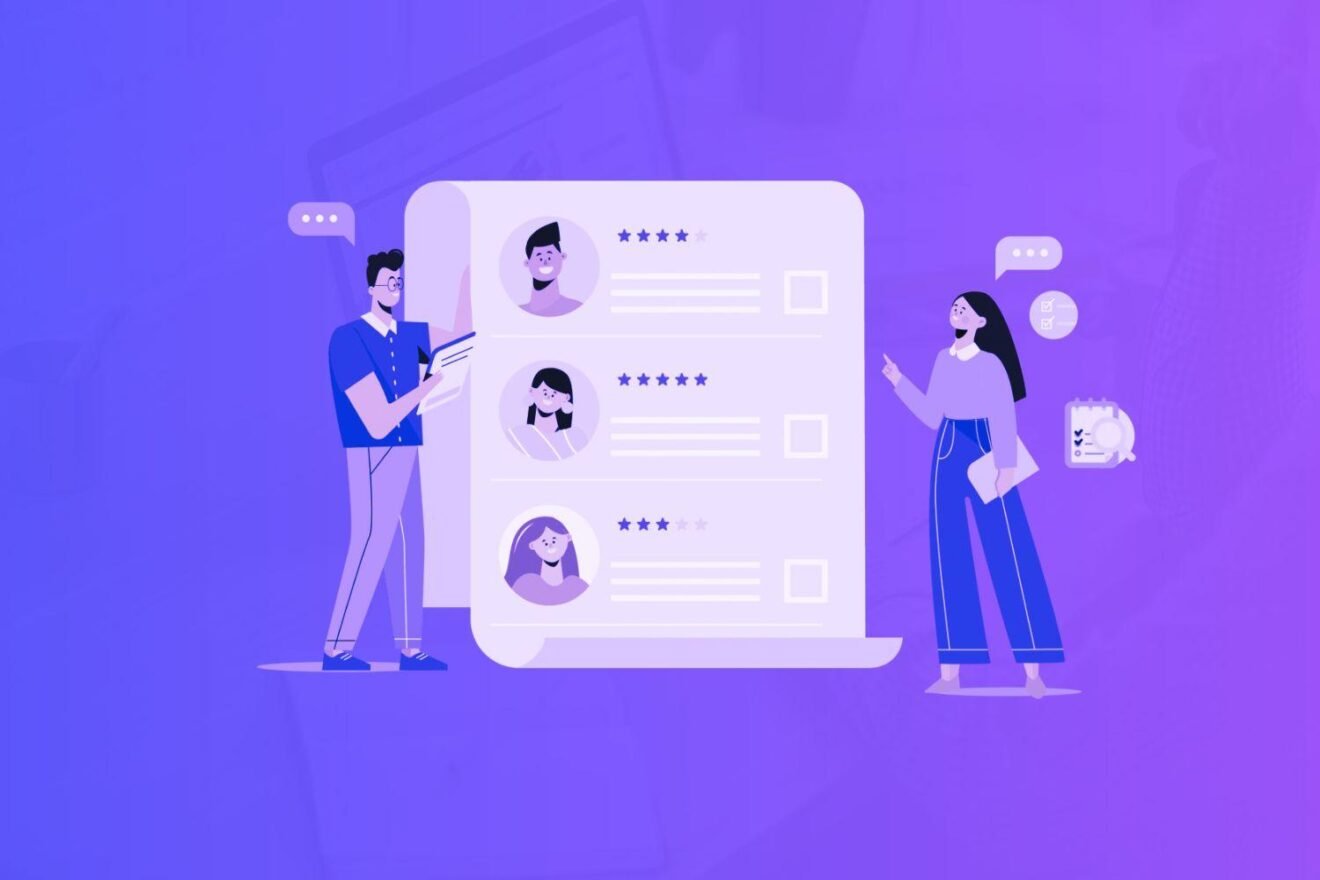
Instead, talk to your customers. Not just through surveys (although those are helpful), but through genuine conversations. Engage with them on social media. Read their reviews (and respond to them, both positive and negative).
|
If you have a physical store, talk to them in person. Ask open-ended questions like, "What's the biggest challenge you face related to [your industry]?" or "What would make your experience with us even better?"
|
Set up systems for collecting customer feedback. This could include:
|
- Regular surveys: Use tools like SurveyMonkey or Google Forms.
- Social media monitoring: Track mentions of your brand and engage in conversations.
- Customer service interactions: Train your team to actively solicit feedback during support interactions.
- User testing: Observe how customers interact with your product/service to identify areas for improvement.
Act on the feedback. Collecting feedback is useless if you don't do anything with it. Prioritize the most common issues and implement changes based on what you learn.
|
Let your customers know you're listening by communicating the changes you've made based on their input.
|
|
By truly prioritizing your customers, you'll not only gain a competitive edge but also build a loyal customer base that will become your biggest advocates.
|
|
Thanks for reading. See you soon!
|
|
Hitesh Sahni from HypeGig
|
|
|
Latest from the blog this week
|
|
|
10 best Fiverr alternatives and competitors in 2026
|
|
|
Feeling disappointed with Fiverr? You're not alone. I have used it multiple times over the years to outsource small tasks. And every time, I have regretted it. In fact, I’d say the whole thing is mostly a scam. While Fiverr has become a household name for freelance services, it's not the only player in town. Different platforms offer unique features, …
|
|
|
|
|
|
Brand typography: how to choose the perfect brand fonts in 2026
|
|
|
Think about Coca-Cola for a moment. You'd probably recognize their logo even without the red color — just from the swooping script alone. That's the power of a well-chosen brand font. The typeface you pick for your business does more than display words. It sends signals about who you are before anyone reads a single sentence. Some fonts feel trustworthy, …
|
|
|
|
|
|
Design for assembly: definition and key practices in 2026
|
|
|
Ever watched someone struggle to assemble flat-pack furniture and thought, "Why did they design it this way?" Now imagine that same frustration playing out on a factory floor — thousands of times a day. Every extra screw, awkward angle, or confusing step costs real time and money. That's exactly the problem Design for Assembly (DFA) sets out to solve. It's …
|
|
|
|
|
|
|