You’ve probably clicked on product links in articles or used discount codes from social media influencers without realizing you just participated in a multi-billion dollar industry.
Maybe you’ve even thought about turning your own online presence into income but felt overwhelmed by all the options out there.
What if you could earn money by simply sharing products you already use and love? No inventory, no customer service headaches, no huge startup costs.
Sounds too good to be true? That’s exactly what thousands of people thought before they discovered the real mechanics behind an affiliate marketing business.
Disclaimer: If you buy any products through links on this site, I may earn a commission. But it doesn't make any difference to your cost, and it helps me keep this blog running. So you could always read my articles for free.
What is affiliate marketing?
Now that you’re curious about this income stream, let’s pull back the curtain on what affiliate marketing actually is and how it works in practice.
At its core, affiliate marketing is simply earning a commission by promoting other people’s products. Think of it as being a digital middleman. You connect buyers with products they need, and companies pay you for making that connection happen.
For example, let’s say you run a blog about home cooking. You write a post about your favorite kitchen gadgets and include your affiliate link to a blender on Amazon.
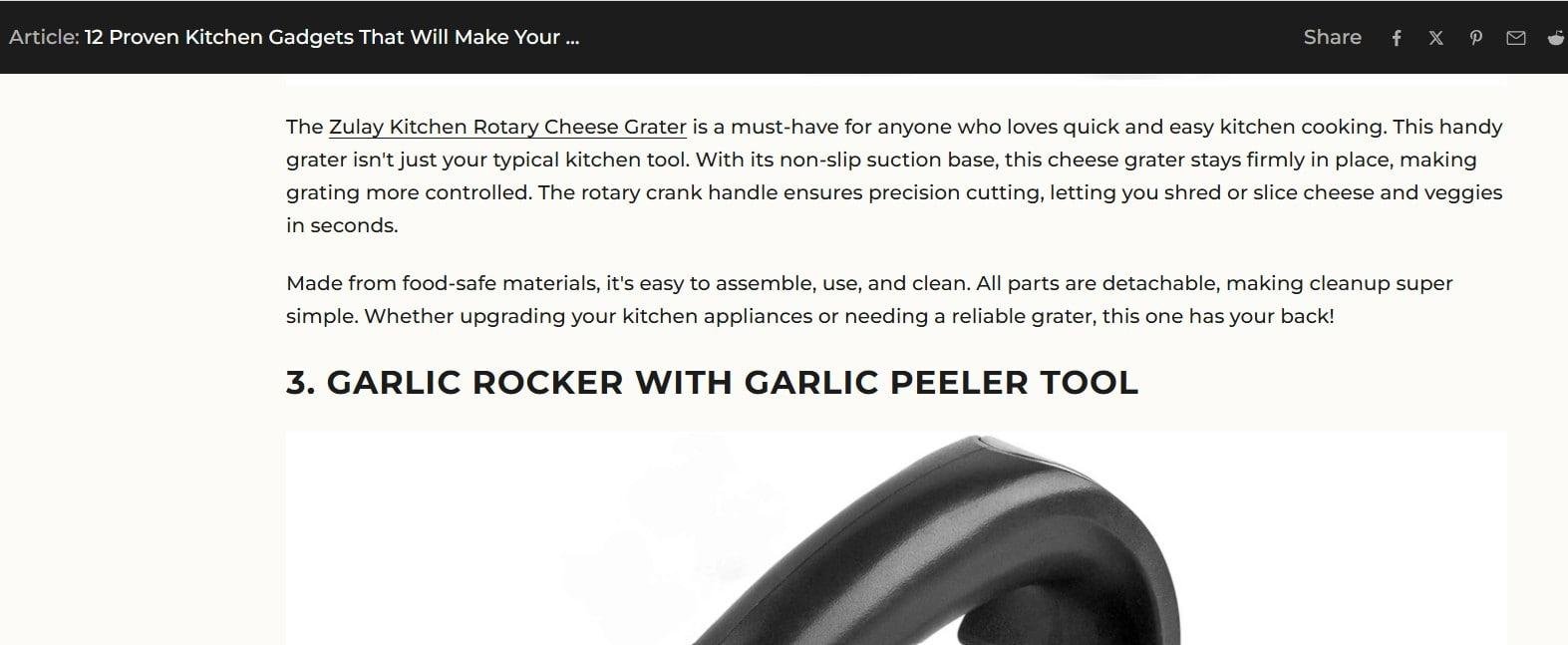
When a reader clicks that link and buys the blender, Amazon pays you a small commission. The buyer pays the same price they would have paid anyway – your commission comes from the company’s marketing budget.
The beauty of the affiliate marketing business model is that you don’t handle any products yourself. You don’t deal with shipping, returns, or customer complaints. Your job is simply to share products you believe in with people who might benefit from them.
Besides blogs, you can do affiliate marketing through YouTube videos, social media posts, email newsletters, or even podcasts. Some people build entire businesses around reviewing products, while others just add affiliate links to content they’re already creating.
The key difference between affiliate marketing and regular advertising? You only get paid when someone actually buys something. This performance-based model means companies love working with affiliates because they only pay for real results.
How affiliate marketing works
Understanding the basics is one thing, but seeing the actual process from start to finish helps everything click. Let’s walk through exactly how affiliate marketing works, step by step.
The four key players
First, you need to know who’s involved in the affiliate marketing business. There are typically four parties in any affiliate marketing transaction:
- The merchant (the company selling the product)
- The affiliate (that’s you)
- The customer (your audience)
- The affiliate network (the platform that connects everyone)
Think of it like this: The merchant wants more sales, you want to earn commissions, and the customer wants good products. The network makes sure everyone gets what they want.
How the process unfolds
Here’s what happens when you become an affiliate:
You start by joining an affiliate program. This might be directly with a company like Amazon, or through a network like Awin or ClickBank. Once approved, you get access to your unique affiliate links.
Next, as a part of your affiliate marketing business strategy, you create content around products you want to promote. For instance, you might write a review of running shoes on your fitness blog. Within that review, you include your special affiliate link to those shoes.
When a reader clicks your link, a small file called a cookie gets placed on their device. This cookie typically lasts 24 hours to 90 days, depending on the program. If they buy anything during that time, you get credit for the sale.
After the purchase, the merchant verifies it’s legitimate (not returned or fraudulent). Then, usually within 30-60 days, your commission hits your account.
The best part? This process runs automatically. While you sleep, previous content you created keeps working for you, potentially earning commissions from clicks and purchases.
Benefits of starting an affiliate marketing business
Before you decide if affiliate marketing fits your goals, you should know what makes it attractive to so many people. Let’s explore the real advantages this affiliate marketing business model offers.
Low barrier to entry
Unlike starting a traditional business, you don’t need thousands of dollars to begin. You can literally start with just a computer and internet connection. There’s no need to buy inventory, rent a storefront, or hire employees.
For example, many successful affiliates began by writing product reviews on free blogging platforms. They invested nothing but their time and gradually built their income from there.
Flexibility and freedom
You control when and where you work. Want to create content at midnight? Go ahead. Prefer working from a coffee shop or while traveling? That works too.
This flexibility makes running an affiliate marketing business ideal for stay-at-home parents, students, or anyone wanting a side income.
Furthermore, you choose what products to promote. If you’re passionate about sustainable living, you can focus exclusively on eco-friendly products. This alignment between your interests and your work makes it feel less like a job.
Passive income potential
Here’s where it gets interesting. Content you create today can earn money for months or even years.
Take the case of a product comparison article – once published, it can generate commissions every time someone reads it and makes a purchase.
Besides that, you’re not trading time for money like in a regular job. Ten hours of work might create content that earns nothing initially but generates hundreds or thousands of dollars over time.
No customer service headaches
When someone buys through your link, your job is done. The merchant handles shipping, returns, complaints, and technical support. You simply focus on creating helpful content and connecting people with products they need.
Setting up your affiliate marketing business
Ready to turn your knowledge into income? Starting an affiliate marketing business might seem overwhelming, but breaking it down into clear steps makes the journey manageable.
Let’s walk through exactly what you need to do to build your own affiliate marketing business from scratch.
Choose your niche
Your niche is the specific topic or market you’ll focus on. This decision shapes everything else in your business, so it deserves careful thought. The sweet spot lies where your interests, knowledge, and market demand overlap.

Start by listing topics you genuinely care about. Maybe you’re into fitness, personal finance, or home gardening.
The key is choosing something you won’t get bored with after writing about it for months. Remember, you’ll be creating lots of content about this topic, so genuine interest matters.
Next, research whether people actually buy products in your potential niche. For instance, use Google Trends to see if interest in your topic is growing or declining.
Type in keywords related to your niche and look at the trend lines over the past five years. A steady or rising line suggests a healthy market, which can be great for your affiliate marketing business.
Here’s a practical exercise: Go to Amazon and browse products in your potential niche. If you see lots of products with hundreds of reviews, that’s a good sign people are buying.
For example, if you’re considering the home coffee niche, search for “coffee makers” or “coffee grinders.” Finding dozens of options with active reviews means there’s money flowing in that market.
For more information, read my post on affiliate marketing niche ideas.
Build your platform
Once you’ve chosen your niche, you need a place to share content and affiliate links. Most beginners start with either a blog or a YouTube channel, though social media platforms work too.
For a blog, you’ll need hosting and a domain name. Companies like Bluehost or SiteGround offer beginner-friendly hosting for around $5-10 per month. They usually include a free domain name for your first year.
When choosing a domain for your affiliate marketing business, pick something short and memorable that relates to your niche. If you’re in the fitness niche, something like “DailyFitnessHub.com” works better than “BestExerciseEquipmentReviews2024.com.”
Setting up WordPress takes about 30 minutes with most hosting companies’ one-click installation. After installation, choose a clean, simple theme that loads quickly. Free themes like Astra or GeneratePress work perfectly for beginners. The focus should be on your content, not fancy design elements.
If you prefer video content, starting a YouTube channel costs nothing. Create a Google account if you don’t have one, then click “Create a channel” in YouTube.
Use a channel name that clearly indicates your niche. Upload a simple channel banner using free tools like Canva – even a basic design with your channel name and upload schedule works fine.
Join affiliate programs
With your platform ready, it’s time to find products to promote. Start with Amazon Associates since they sell almost everything and most people trust Amazon.
The application process is straightforward: provide your website URL, describe how you’ll promote products, and choose your niche categories.
However, Amazon typically pays lower commissions (1-10%) compared to other programs. So also look for companies that sell directly in your niche. For example, if you’re in the web hosting niche, companies like Bluehost pay $65+ per sale.
In the online course niche, platforms like Teachable offer 30% recurring commissions.
To find these programs, try this method: Google “[your niche] + affiliate program.”
Most companies list their affiliate information in the website footer. You can also join affiliate networks like Awin, CJ Affiliate, or Impact Radius. These networks host hundreds of different merchant programs in one place.
When applying, be honest about being new. Many programs accept beginners if you show you’re serious about creating quality content. Some might ask for sample content or traffic statistics.
If you’re just starting with your affiliate marketing business, explain your content plan and commitment to growing your platform.
For more details, read my post on affiliate marketing programs and companies.
Create valuable content
This is where the real work begins. Successful affiliate marketing depends on creating content that genuinely helps people make buying decisions.
Your content should solve problems, answer questions, or provide entertainment while naturally incorporating affiliate links.
Start with product reviews since they’re straightforward and directly lead to purchases.
For instance, if you’re in the kitchen niche, review the blender you use daily. Share what you like, what could be better, and who it’s best for. Include photos or videos of you actually using the product. This authenticity builds trust with your audience.
Comparison posts work extremely well too. Take three similar products and break down their differences.
For example, “KitchenAid vs. Cuisinart vs. Ninja: Which Food Processor is Right for You?” These posts help confused buyers make decisions, and you can include affiliate links for all three options.
Besides reviews, create helpful tutorials and guides. Show people how to solve problems using products you recommend.
If your affiliate marketing business is in the photography niche, write “How to Take Sharp Photos in Low Light” and mention the camera equipment that makes it possible. The key is making the product recommendation feel natural and helpful, not forced.
To learn more, check out this post on various types of content affiliate marketers can use.
Monetize your content with affiliate links
Creating content without properly placing affiliate links is like opening a store but forgetting to put price tags on anything. This step transforms your helpful content into actual income, so let’s dive into exactly how to do it right.
First, understand how to get your unique affiliate links. When you log into any affiliate program dashboard, you’ll find a section for generating links.
In Amazon Associates, for example, you’ll see a toolbar called “SiteStripe” at the top of Amazon pages when logged in. Click “Text” or “Text+Image” to generate your unique link for any product. Copy this entire link – it contains your tracking ID that ensures you get credit for sales.
Now, here’s where strategic placement matters. Don’t just dump links everywhere. This won’t do anything for your affiliate marketing business. Instead, place them where they feel natural and helpful.
For instance, when you mention a product for the first time in your review, that’s a perfect spot for a link. Readers who are immediately interested can click through without hunting for where to buy.
Let me show you what this looks like in practice. Say you’re writing about coffee makers and you type: “After testing 15 models, the Breville Barista Express consistently made the best espresso.”
You’d hyperlink “Breville Barista Express” with your affiliate link. This feels natural because readers expect product names to be clickable.
Besides in-text links, use call-out boxes or buttons for important products. Most blogging platforms let you create styled buttons.
A simple “Check Price on Amazon” button after discussing a product’s features gives readers a clear next step. These buttons often get more clicks than text links because they stand out visually.
Here’s a crucial tip for your affiliate marketing business: Always disclose your affiliate relationships. It’s legally required by the FTC and builds trust. Add a simple statement at the beginning of your content like: “This post contains affiliate links.
If you buy through these links, I may earn a small commission at no extra cost to you.” Most readers appreciate the transparency.
For comparison posts, create a simple table showing key features with links to each product. This makes it easy for readers to click through to their preferred option. Tools like TablePress for WordPress make this simple – just create columns for product name, key features, price, and a “View Details” link.
The psychology of link placement matters too. Studies show people are most likely to click affiliate links after you’ve addressed their main concerns.
So in a product review, discuss pros, cons, and who it’s best for before placing your main call-to-action button. By then, readers have enough information to make a decision.
To know more, read this post on how to use affiliate links to get maximum pay.
Don’t forget about link maintenance
Affiliate links can change or expire, especially during program updates. Use a link management plugin like ThirstyAffiliates or Pretty Links.
These tools let you create shortened, branded links (like yoursite.com/recommends/best-coffee-maker) that redirect to your affiliate link. If the merchant changes the link structure, you only need to update it in one place instead of throughout all your content.
Finally, test different approaches to see what works for your audience. Some niches respond better to subtle text links, while others prefer obvious buttons and product showcases.
Use your affiliate dashboard’s reporting features to track which content and link placements generate the most clicks and conversions. Then create more content following those successful patterns.
Drive traffic to your content
Creating great content means nothing if nobody sees it. To ensure the success of your affiliate marketing business, you need strategies to bring visitors to your platform. Search engine optimization (SEO) provides free, long-term traffic but takes time. Social media can bring quick results but requires consistent effort.
For SEO, start with keyword research using free tools like Google’s Keyword Planner or Ubersuggest. Look for phrases people search that relate to your content.
For example, instead of targeting “best coffee maker” (highly competitive), try “best coffee maker under $100 for small kitchens” (more specific, easier to rank for).
Include your target keyword naturally in your title, first paragraph, and a few times throughout your content. But don’t overdo it – write for humans first, search engines second. Also, make your content comprehensive. If competitors write 500-word reviews, aim for 1,500 words with more helpful details.
For social media traffic, choose one or two platforms where your audience hangs out. Pinterest works great for food, DIY, and fashion niches. Instagram suits lifestyle and visual products. Share snippets of your content with links back to your full articles or videos.
Email marketing might seem old-fashioned, but it’s still incredibly effective. Offer something valuable like a buyer’s guide or checklist in exchange for email addresses.
Then send helpful emails weekly with your latest content and recommendations. Tools like ConvertKit or Mailchimp offer free plans for beginners.
Remember, building traffic takes time. Most successful affiliates see little traffic for their first 3-6 months. Stay consistent with publishing and promoting content. Focus on helping your audience, and the traffic (and commissions) will follow.
Final thoughts on affiliate marketing business
Affiliate marketing isn’t a magic money button – it’s a real business that requires time, effort, and patience. You’ll face challenges like creating content nobody reads at first, dealing with changing commission rates, and competing with established players in your niche.
But if you stick with it and focus on genuinely helping your audience, you can build a sustainable income stream. Some affiliates make a few hundred dollars monthly, while others build six-figure affiliate marketing businesses. Your results depend on the value you provide and the effort you invest.
Start small, learn as you go, and adjust your strategy based on what works. Remember, every successful affiliate marketer started exactly where you are now – with zero traffic and zero commissions. The difference between those who succeed and those who quit? They kept creating, kept learning, and kept improving.
Did I miss anything? Did you try these tips? Do you have any questions or comments? Share your thoughts below in the comments section.