
Getting found on Google isn’t about luck or magic. It’s about understanding how search engines work and what they want from your site.
The good news? You don’t need a computer science degree or years of experience to start with SEO and rank higher.
SEO might seem intimidating at first, but it’s actually a set of learnable skills that anyone can master with the help of an SEO tutorial. Think of it as learning a new language – the language search engines speak.
In this guide on SEO for beginners, you’ll discover the fundamental principles of SEO, practical techniques you can apply immediately, and common mistakes that keep beginners stuck. Ready to make your website visible?
Disclaimer: If you buy any products through links on this site, I may earn a commission. But it doesn't make any difference to your cost, and it helps me keep this blog running. So you could always read my articles for free.
What is SEO?
Before starting with SEO for beginners and diving into its strategies and techniques, you need to understand what it actually means. Let’s break it down into simple terms that make sense.
SEO stands for Search Engine Optimization. But what does that really mean? Simply put, it’s the process of making your website more attractive to search engines like Google, Bing, and Yahoo.
Think of it as organizing your store so customers can easily find what they’re looking for.
When you type something into Google, it scans billions of web pages to find the most relevant results. SEO helps your website appear higher in those results. By using SEO basics, you can improve your rank, leading to more people visiting your site.
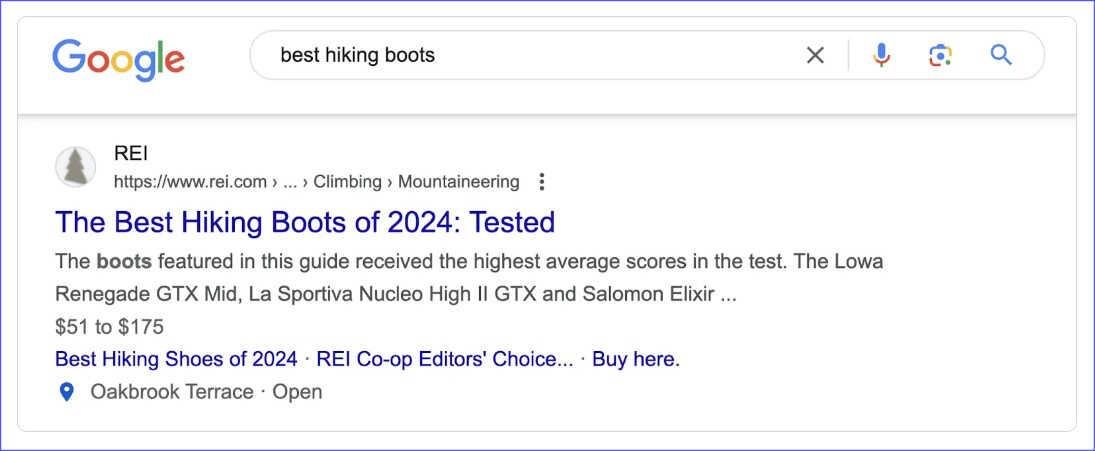
For instance, search engine optimization can assist you in gaining natural (non-paid) positions such as this:
But wait – there’s more to it than just keywords. Search engines look at hundreds of factors when deciding which websites to show first.
They check how fast your site loads, whether it works on mobile phones, and if other websites link to yours. Most importantly, they want to see content that actually helps people.
The result? When you start with SEO as a beginner and do it right, you’re not just pleasing search engines. You’re creating a better experience for your visitors too. After all, Google’s main goal is to connect people with helpful information.
So SEO isn’t about tricking search engines or stuffing keywords everywhere. It’s about understanding what your audience wants and delivering it in a way that search engines can recognize and recommend. That’s the foundation everything else builds on.
How search engines work
To succeed at SEO, you need to understand how search engines actually find and rank websites. This guide on SEO for beginners will help take a peek behind the curtain and see what happens when someone searches for something online.
First of all, search engines use special programs called crawlers or spiders. These digital scouts constantly explore the internet, following links from one page to another.
When they find your website, they read every word, image, and piece of code. Think of them as extremely fast readers with perfect memory.
After crawling your site, search engines store this information in massive databases called indexes. It’s like a giant library catalog that contains copies of every webpage they’ve found. But wait – having your site indexed doesn’t guarantee good rankings.
The real magic happens when someone types in a search query. In milliseconds, search engines sort through billions of indexed pages to find the best matches.
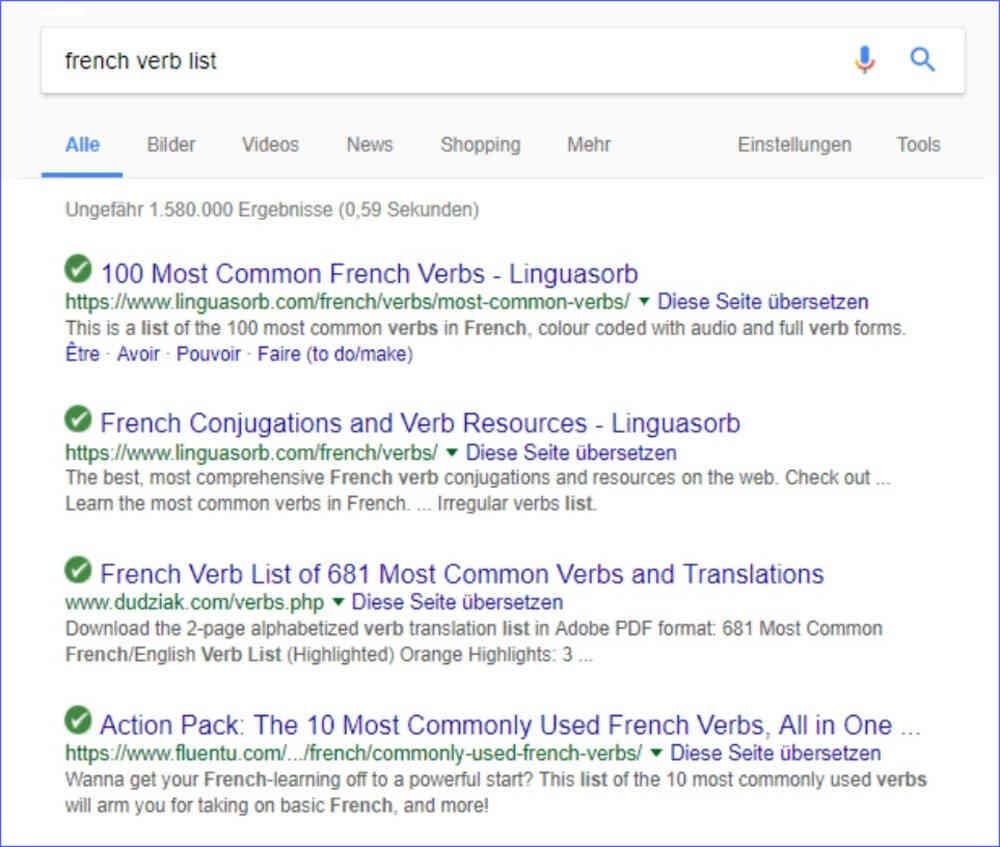
How do they decide? They use complex algorithms that consider over 200 factors.
For example, they check if your content matches what people are searching for.
They also look at how many quality websites link to yours – it’s like getting recommendations from trusted sources. Besides that, they evaluate your site’s loading speed, mobile-friendliness, and user experience.
The bottom line is this: Search engines want to deliver the most helpful, relevant results to their users.
So when you start with SEO as a beginner to optimize your site, you’re essentially making it easier for search engines to understand your content and match it with the right searches.
Why is SEO important?
Now that you understand what SEO is and how search engines work, you might wonder if it’s really worth your time and effort. In this SEO tutorial, let’s explore why it matters for your website’s success.
The numbers don’t lie
Here’s a fact that might surprise you: A lot of online experiences begin with a search engine. Think about your own behavior – when you need information, products, or services, where do you turn first? Probably Google.
But wait, it gets more interesting. Studies show that 75% of people never scroll past the first page of search results.
In fact, the top three results get more than half of all clicks. So if your website isn’t ranking well, you need to start with SEO, or your website will be practically invisible to potential visitors.
Free traffic that keeps coming
Unlike paid advertising, where you stop getting visitors the moment you stop paying, SEO brings continuous traffic. Once you master the basics of SEO for beginners and start ranking well for relevant keywords, people will keep finding your site day after day, month after month.
For example, a single well-optimized blog post can attract thousands of visitors over several years. Compare that to a social media post that disappears from feeds within hours. The result? Long-term value from your initial effort.
Building trust and credibility
Let’s face it – people trust Google’s recommendations. When your site appears at the top of search results, visitors automatically see you as more credible and authoritative. They assume Google has vetted you and found you worthy.
Besides that, using tutorials on SEO for beginners and following good practices improves your overall website quality. You’ll create better content, fix technical issues, and enhance user experience. These improvements benefit all your visitors, not just those from search engines.
Staying competitive
Your competitors are probably doing SEO. If you don’t get started with SEO, you’re giving them free access to customers who should be finding you instead.
Even local businesses need SEO because people search for “restaurants near me” or “plumber in [city name]” constantly.
SEO isn’t optional anymore. It’s essential for connecting with people who are actively looking for what you offer.
Getting started with SEO
Ready to start with beginner’s SEO? Let’s break down the process into six manageable steps that you can tackle one at a time. Each step in this SEO tutorial builds on the previous one, creating a solid foundation for your website’s search visibility.
Conduct keyword research
First things first – you need to know what your audience is actually searching for. Keyword research isn’t about guessing. It’s about discovering the exact phrases people type into search engines when looking for content like yours.
Start with free tools like Google’s Keyword Planner or Ubersuggest. Type in a general topic related to your website, and these tools will show you related searches along with how many people search for them each month.
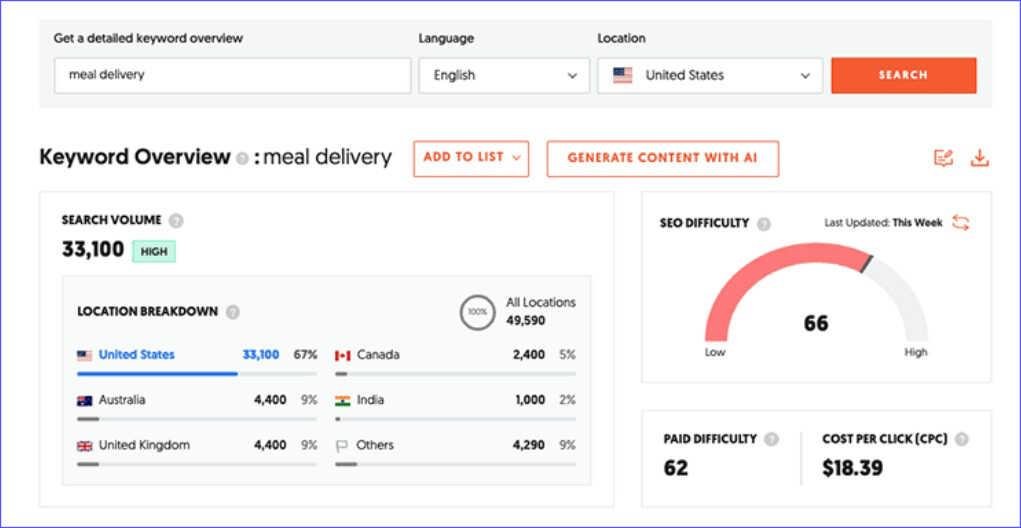
For example, if you run a bakery, you might discover that “gluten-free birthday cakes” gets 1,000 searches per month in your area.
But here’s the thing: When you start with SEO for beginners, you shouldn’t just chase high-volume keywords. Look for phrases that match what you actually offer.
A keyword with 100 monthly searches that perfectly describes your service is better than one with 10,000 searches that’s only loosely related.
Also, pay attention to search intent. Are people looking to buy something, learn something, or find a specific website? Match your content to what searchers actually want. The result? Higher rankings and happier visitors.
For more details, read my guide on keyword research.
Create SEO content
Now that you know what people are searching for, you can move on to the next step of this beginner’s SEO guide. It’s time to create content that answers their questions.
But wait – this doesn’t mean stuffing keywords everywhere. Search engines have gotten smart enough to recognize natural, helpful content.
Write for humans first, search engines second. Start by fully answering the searcher’s question or solving their problem. Use your target keyword naturally in the title, first paragraph, and a few times throughout the content. Don’t force it.
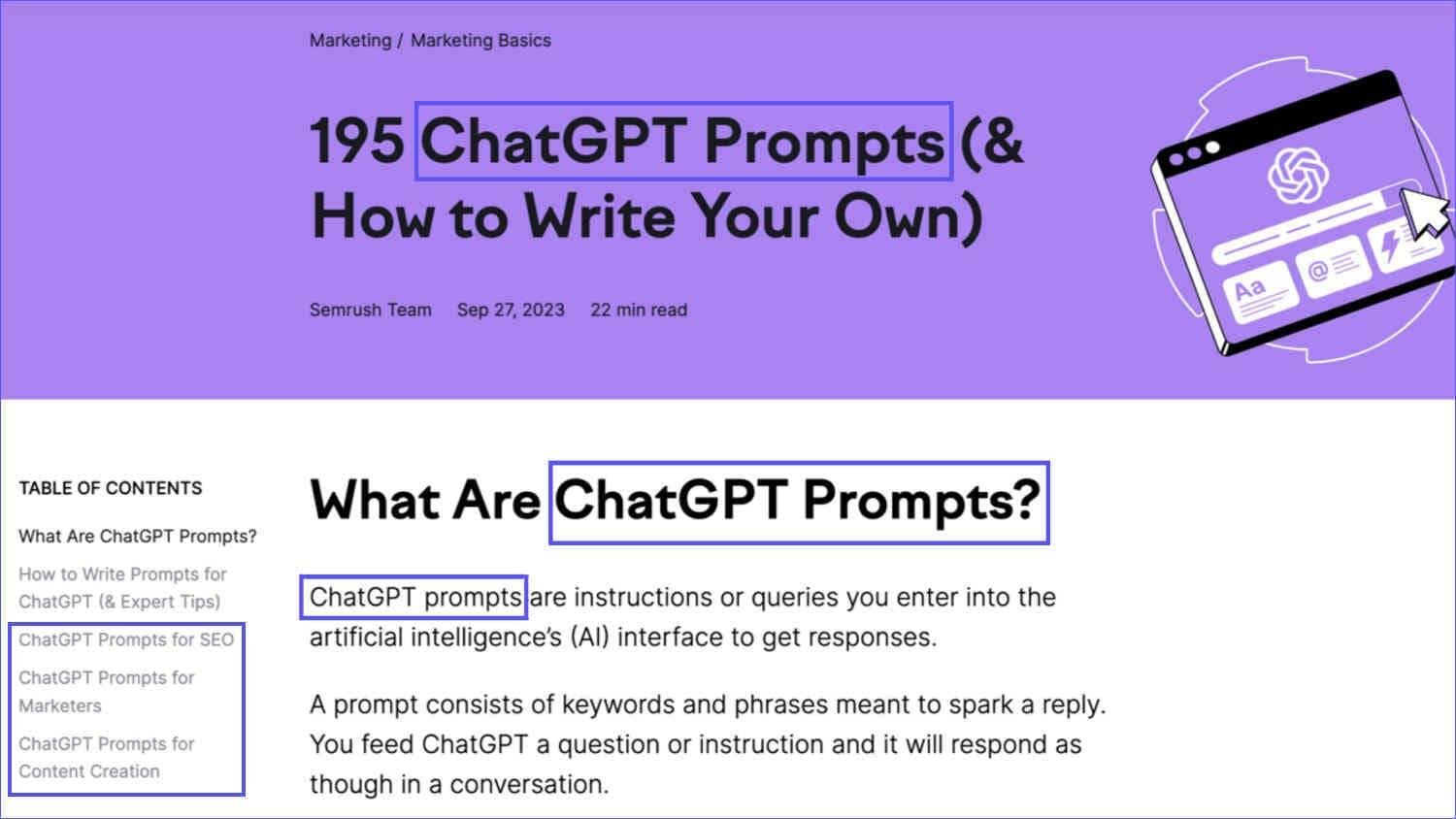
For instance, notice how Semrush incorporates the main keyword across the title tag, content body, and heading sections of the page.
For instance, if you’re just starting with SEO as a beginner and your keyword is “how to train a puppy,” create a comprehensive guide that actually teaches puppy training.
Include specific steps, common mistakes, and helpful tips. The more valuable your content, the better it will perform
Besides that, make your content easy to read. Here are some SEO basics you can use to achieve this: use short paragraphs, bullet points, and subheadings to break up text. Add images or videos when they help explain your points.
Remember, if people quickly leave your page because it’s hard to read, search engines notice. For more information, check out this post on creating SEO content.
Optimize for on-page SEO
On-page SEO involves optimizing individual pages to rank higher. Think of it as fine-tuning your content to help search engines understand exactly what each page is about.
Start with your title tags – these appear as the clickable headlines in search results. Include your main keyword and keep it under 60 characters.
Make it compelling enough that people want to click. For example, instead of “Puppy Training,” try “Puppy Training: 5 Simple Steps to a Well-Behaved Dog.”
Next, write meta descriptions. These short summaries appear under your title in search results.

While they don’t directly affect rankings, they influence whether people click on your result. So, when you start with SEO for beginners, you can’t forget about optimizing meta descriptions. Include your keyword and clearly explain what visitors will find on your page.
Don’t forget about headers. Use H1 tags for your main title and H2 or H3 tags for subsections.
This structure helps both readers and search engines understand your content’s organization. Similarly, optimize your URLs by keeping them short and including your target keyword.
To learn more, read this article on how to optimize your content with On-page SEO.
Build backlinks
Let’s move on to the next step of this beginner’s SEO strategy. Backlinks are links from other websites pointing to yours. Search engines see them as votes of confidence – the more quality sites that link to you, the more trustworthy you appear.
But how do you get them? Start with the SEO basics. Create genuinely helpful content that people naturally want to share. This could be original research, comprehensive guides, or useful tools. The better your content, the more likely others will link to it.
Next, reach out to relevant websites in your industry. Look for broken links on their sites that you could replace with your content. Or offer to write guest posts that provide value to their readers while including a link back to your site.
Also, get listed in relevant directories and industry associations. While these aren’t as powerful as editorial links, they still help. Just avoid shady link farms or paying for links – search engines can penalize you for these tactics.
For more details, read this guide on link building for SEO.
Work on technical SEO
Technical SEO might sound intimidating when you first start with SEO for beginners. But it’s really about making sure search engines can properly crawl and understand your site. Even great content won’t rank if search engines can’t access it.
First of all, check your site speed. Use Google’s PageSpeed Insights to see how fast your pages load. If they’re slow, compress images, minimize code, and consider better hosting. People abandon slow sites, and search engines know this.
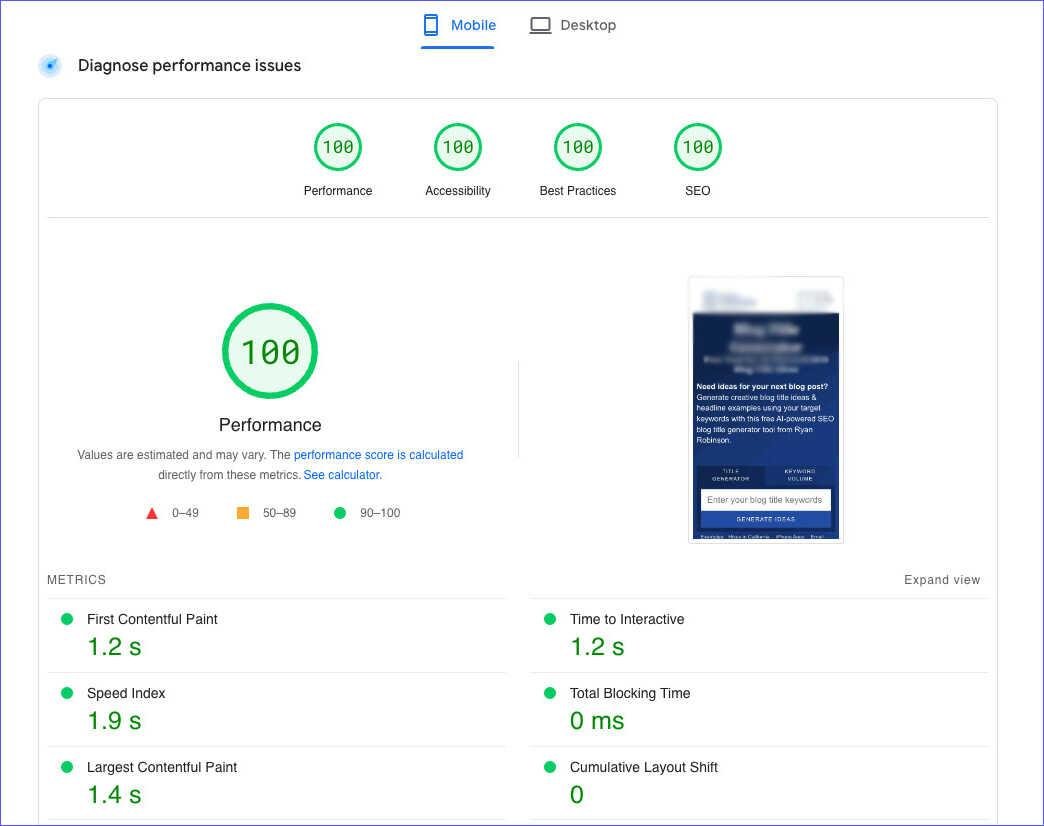
Make sure your site works perfectly on mobile devices. Over half of all searches happen on phones, so Google prioritizes mobile-friendly sites. Test yours using tools like the Responsive Design Checker.
Don’t forget about sitemaps – these are files that list all your pages, helping search engines find everything. Most website platforms can generate these automatically. Submit yours to Google Search Console to ensure proper indexing.
Unfortunately, many sites have duplicate content issues without realizing it. This happens when the same content appears at multiple URLs. Use canonical tags to tell search engines which version is the main one.
To know more, check out this blog post on mastering technical SEO.
Measuring SEO performance
Starting with SEO tutorials is not enough. You also need to know if your efforts of following SEO for beginners strategies are working. The only way to do this is through tracking your progress. Fortunately, there are free tools that show you exactly how you’re doing.
Start with Google Analytics to see how much traffic comes from search engines. Look for trends – is organic traffic increasing over time? Which pages get the most search visitors? This data helps you understand what’s working.
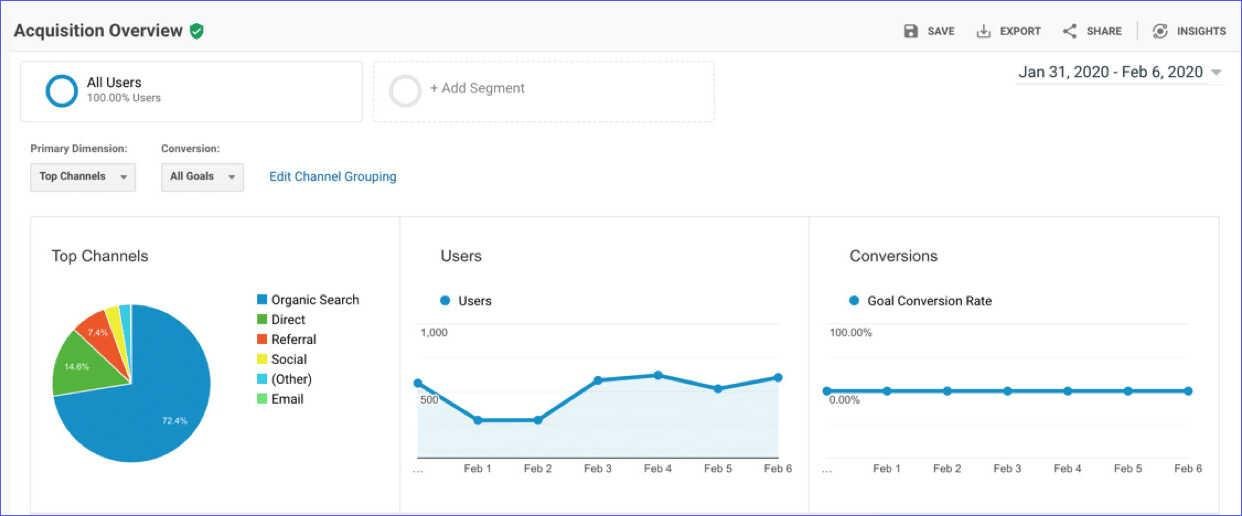
Google Search Console is equally important. It shows which keywords people use to find your site, your average position in search results, and any technical issues Google encounters. Check it regularly to spot problems early.
Track your keyword rankings too. You can use free tools like Google’s search results (in incognito mode) or paid tools for more detailed tracking. Document where you rank for important keywords and monitor changes over time.
But here’s the deal: Even if you diligently follow all the basics of SEO as a beginner, don’t expect overnight results. This is because SEO typically takes 3-6 months to show significant improvements. Focus on steady progress rather than quick wins.
To learn more, take a look at this post on how to measure SEO performance.
Final thoughts on SEO for beginners
The bottom line is this: Getting started with SEO doesn’t require perfection. Begin with keyword research, create helpful content, and gradually work through the other steps.
Each improvement you make builds on the last, slowly but surely increasing your search visibility. Remember, even experienced SEO professionals are constantly learning and adjusting their strategies. Start where you are, learn as you go, and stay consistent with your efforts.
Did I miss anything? Did you try these tips on how to start SEO for beginners? Do you have any questions or comments? Share your thoughts below in the comments section.