
Picture this: You spend hours every day manually checking affiliate links, updating product content, and sending follow-up emails to potential customers. By evening, you’re exhausted.
Sound familiar? You’re not alone. Many affiliate marketers find themselves trapped in repetitive tasks that eat up their time without boosting their income.
What if you could handle all these tasks automatically while you sleep? What if your affiliate business could run itself, freeing you to focus on what actually makes money?
The solution lies in smart affiliate marketing automation strategies and tools that can transform how you approach affiliate marketing.
Disclaimer: If you buy any products through links on this site, I may earn a commission. But it doesn't make any difference to your cost, and it helps me keep this blog running. So you could always read my articles for free.
What is affiliate marketing automation?
Affiliate marketing automation refers to setting up processes and software tools to handle repetitive tasks in your affiliate business without your constant input.
Instead of manually managing every aspect of your promotional activities, you set up systems and workflows that work on their own.
For example, let’s say you review tech products on your blog. Your automation system can automatically post your latest reviews to multiple social channels, track clicks on your affiliate links, and organize your earnings data from various affiliate networks into one dashboard.
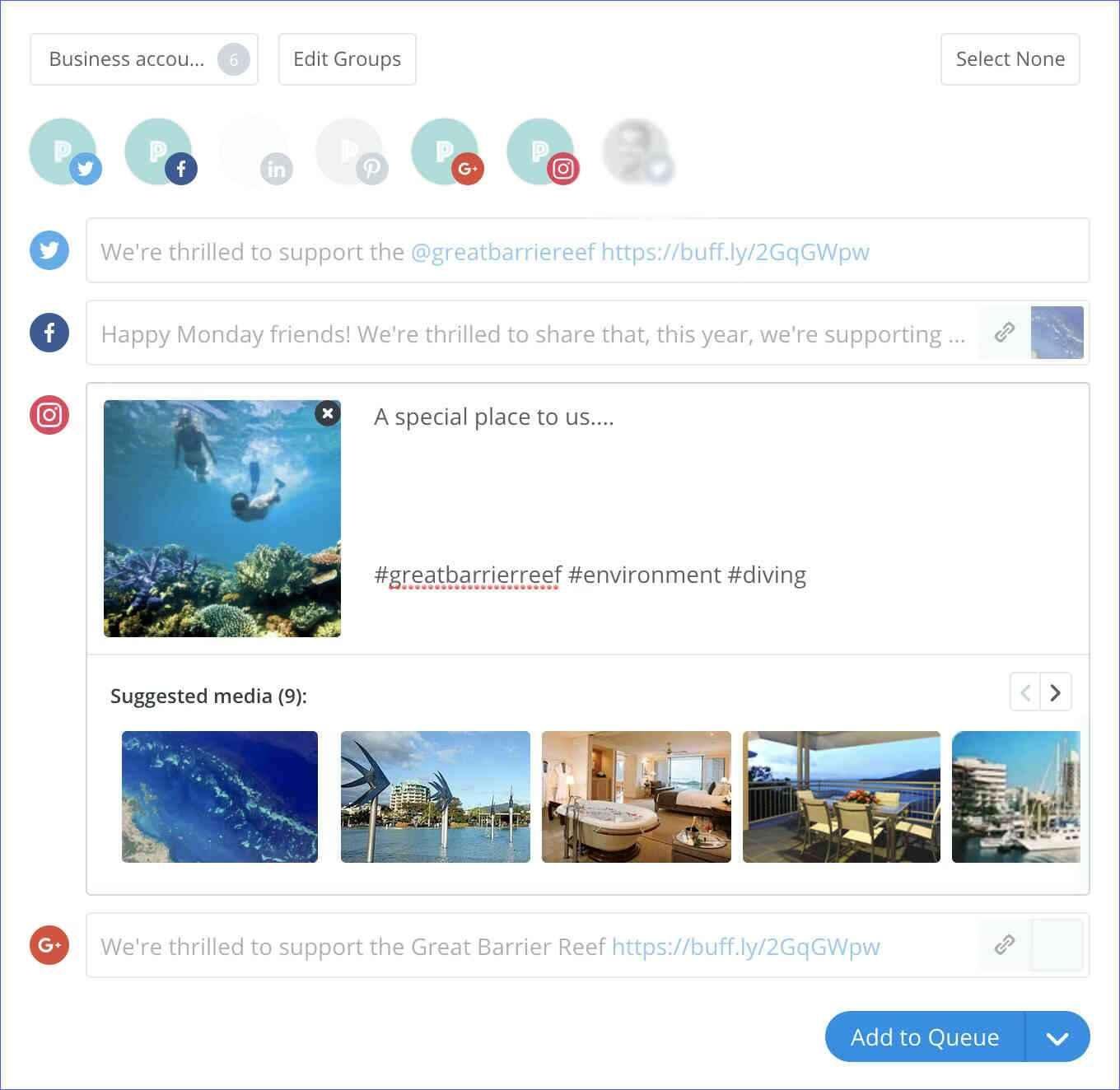
They work around the clock without human oversight. However, automation doesn’t replace your core responsibilities. You still need to research products, create honest reviews, build audience trust, and choose profitable affiliate programs.
Why consider affiliate marketing automation?
The key benefit of automating affiliate marketing lies in efficiency. While you might forget to share a post on Instagram or manually check dozens of affiliate links, automated systems handle these tasks consistently. Meanwhile, you focus on creating quality content rather than administrative tasks.
Time becomes your biggest asset
You spend countless hours on repetitive tasks that don’t directly generate income. For instance, manually posting affiliate links across different social platforms takes time you could use to research new products or create better content.
Automation handles these routine activities, giving you more hours to focus on revenue-generating work.
Human error costs you money
When you manage everything manually, mistakes happen. You might post a broken affiliate link, forget to share content on certain platforms, or miss tracking important metrics. These errors can cost you commissions and hurt your credibility with your audience.
Besides that, affiliate marketing automation systems don’t get tired or distracted. They consistently perform tasks exactly as programmed, reducing the chance of costly mistakes that could damage your affiliate income.
Scale becomes possible
Here’s the reality: managing one affiliate program manually might work, but handling five or ten becomes overwhelming. As your business grows, the workload multiplies faster than your available time.
Automation tools allow you to promote more products across more channels without proportionally increasing your workload.
For example, you can schedule posts for multiple social accounts, track performance across various affiliate networks, and manage email campaigns simultaneously.
Data improves your decisions
Manual tracking often means incomplete or inconsistent data collection. You might remember that one campaign performed well but lack specific numbers about click-through rates or conversion timing.
Automated systems collect detailed performance data consistently. This information helps you identify which products resonate with your audience, which promotional methods work best, and when your audience is most likely to make purchases.
With automated affiliate marketing, you generate better data, which leads to smarter decisions about where to invest your time and effort.
Best ways to automate affiliate marketing
Affiliate marketing can feel overwhelming when you’re handling everything manually. However, you can streamline most tasks through automation, freeing up time to focus on strategy and growth. Here’s how you can automate key parts of your affiliate marketing workflow.
Set up automated email sequences
Email marketing remains one of the most effective ways to promote affiliate products. Instead of sending individual emails, you can create automated sequences that nurture your audience over time.
Start by setting up an email automation platform like ConvertKit or Mailchimp. These tools let you create sequences that trigger when someone joins your list.
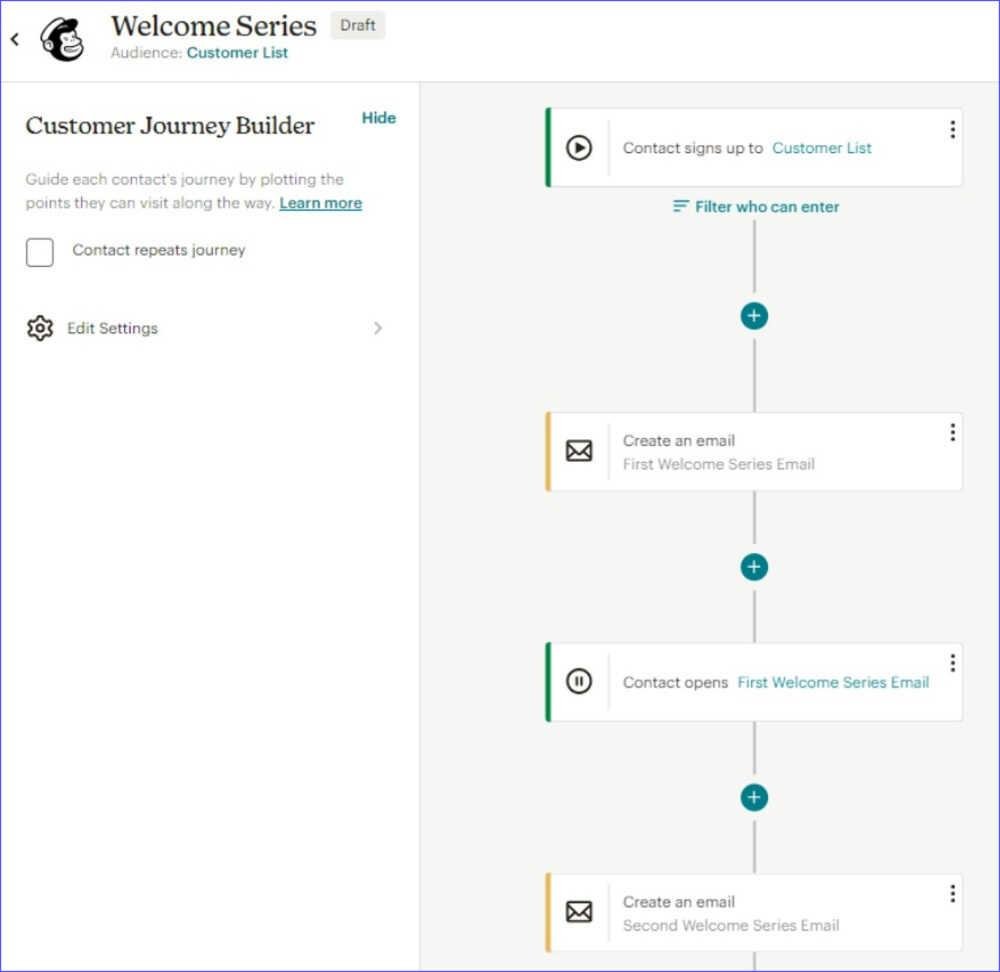
For example, you might create a 7-day welcome series where each email provides value while subtly introducing relevant affiliate products.
When someone downloads your free guide, they automatically enter your sequence. Day 1 might welcome them and deliver the promised resource. Day 3 could share a personal story that naturally mentions an affiliate tool you use. Day 5 might provide a tutorial that showcases another affiliate product in action.
The key is mixing valuable content with soft promotion. You’re not constantly pushing products, but rather demonstrating how these tools fit into solving real problems. This approach builds trust while generating affiliate income on autopilot.
For more details, read this post on automated email sequences.
Use social media scheduling tools
Promoting affiliate content across multiple social platforms takes considerable time when done manually.
Social media schedulers like Buffer or Later solve this problem. These tools can help you automate affiliate marketing by letting you plan and publish content weeks in advance.
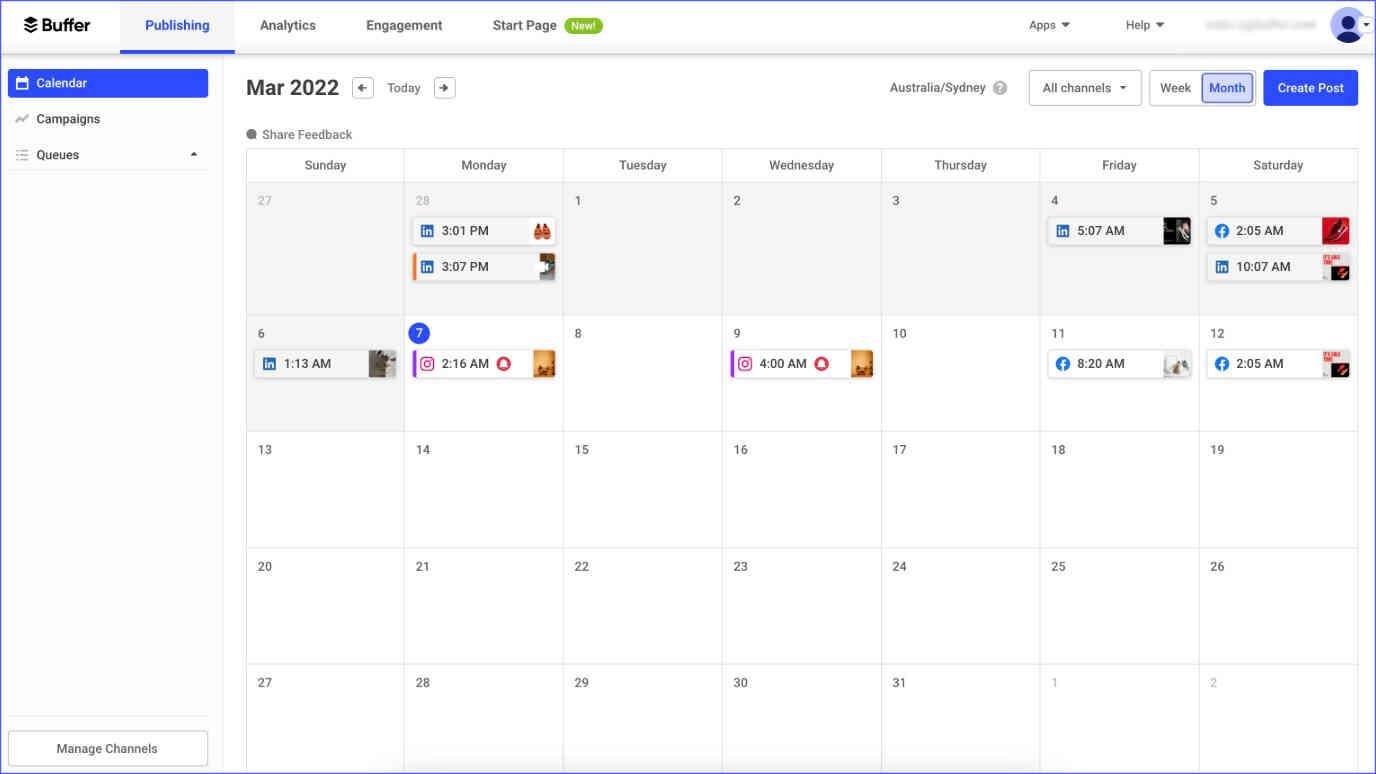
These platforms work by connecting to your social accounts and posting according to your predetermined schedule. You can upload multiple posts at once, write captions, add hashtags, and set specific publishing times for each platform.
For instance, you might spend Sunday afternoon creating a week’s worth of content. You could schedule Instagram posts featuring product reviews, Twitter threads about industry tips, and LinkedIn articles sharing your expertise. Each piece naturally incorporates affiliate links where appropriate.
Besides saving time, schedulers help you maintain consistent posting frequency. Consistency matters for algorithm visibility and audience engagement. When people regularly see your content, they’re more likely to trust your recommendations and click your affiliate links.
To know more, check out this blog post on social media scheduling tools.
Implement content automation workflows
Creating fresh content consistently challenges most affiliate marketers. Automation tools like Zapier can help by connecting different apps and triggering actions based on specific events.
These workflows don’t replace human creativity. But when you automate affiliate marketing using tools like Zapier, they can help you eliminate repetitive tasks and provide starting points for content creation. You still need to add personal insights and ensure quality, but the initial framework gets created automatically.
For more details, read this guide on how to automate tasks with AI.
Track performance with automated reporting
Understanding which affiliate campaigns perform best requires constant monitoring of clicks, conversions, and commissions. Manual tracking becomes impossible as your programs grow, making automated reporting essential.
Most affiliate networks provide basic reporting, but you can enhance this with affiliate marketing automations. Use tools like Google Analytics and custom dashboards. Set up automated reports that compile data from multiple sources and deliver weekly summaries to your inbox.
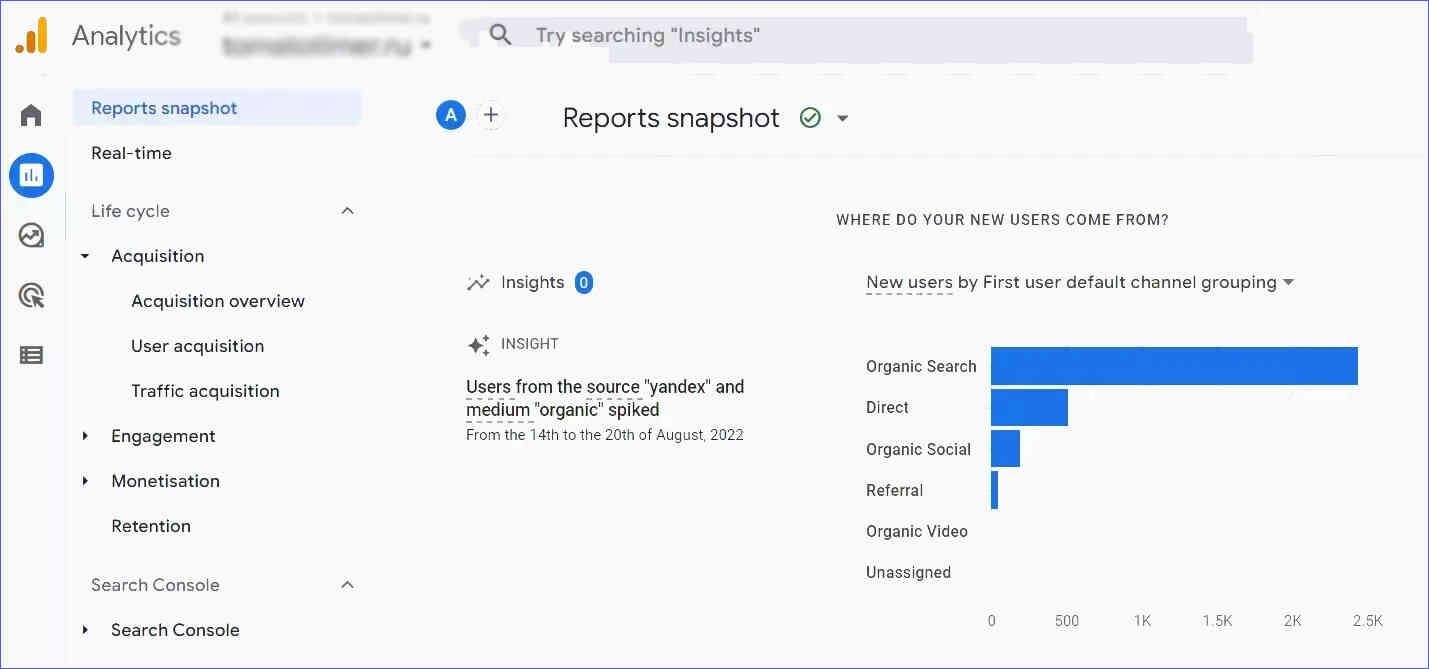
For example, you might configure a report that tracks traffic to your affiliate review posts, monitors click-through rates on your email campaigns, and compares conversion rates across different promotional methods.
This data arrives every Monday morning, helping you identify trends and adjust strategies accordingly.
Beyond basic metrics, automated reporting can reveal deeper insights. You might discover that affiliate links perform better in Tuesday emails than Friday posts, or that certain product categories convert higher during specific seasons.
These patterns become clear when data collection happens automatically and consistently.
To learn more, take a look at this article on marketing report automation.
Automate lead nurturing sequences
Not everyone who visits your site is ready to purchase immediately. Automated lead nurturing helps move prospects through your sales funnel by delivering targeted content based on their behavior and interests.
Marketing automation platforms like ActiveCampaign or Drip let you create complex workflows triggered by specific actions.
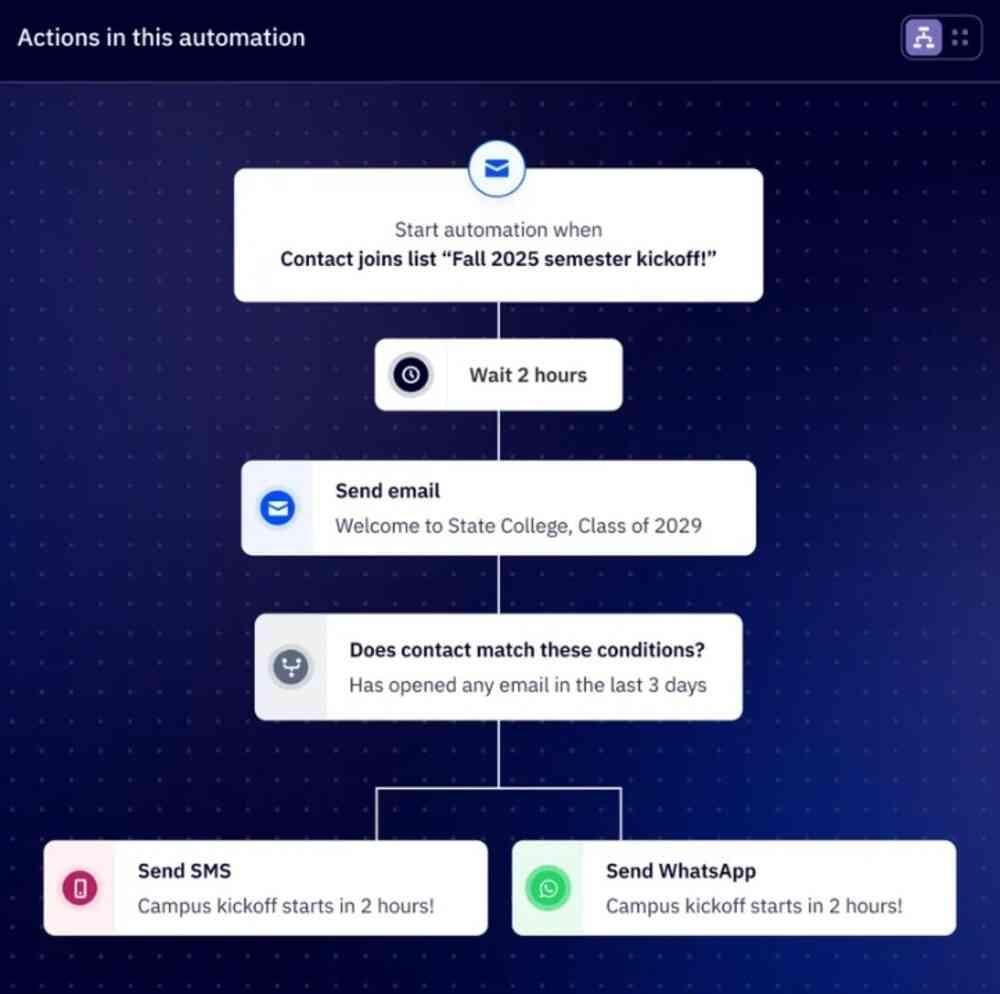
Someone who downloads your beginner’s guide might enter a sequence focused on foundational concepts, while visitors to your advanced tutorials get content about premium tools and services.
These sequences adapt based on engagement. If someone opens every email and clicks multiple links, they might receive more frequent communications and stronger product recommendations. Less engaged subscribers get re-engagement campaigns designed to rekindle interest.
The automation extends beyond email. You can trigger personalized website experiences, retargeting ads, and even direct mail campaigns based on digital behavior.
This comprehensive approach ensures prospects receive relevant messages across multiple touchpoints, increasing the likelihood they’ll eventually make purchases through your affiliate links.
Use chatbots for initial engagement
Website visitors often have questions about products you’ve reviewed or recommended. Chatbots can provide immediate responses while you’re away, capturing leads and guiding prospects toward relevant affiliate offers.
Platforms like Chatfuel or ManyChat let you create conversational flows that answer common questions and collect contact information. You might program responses about product comparisons, pricing information, or usage scenarios.
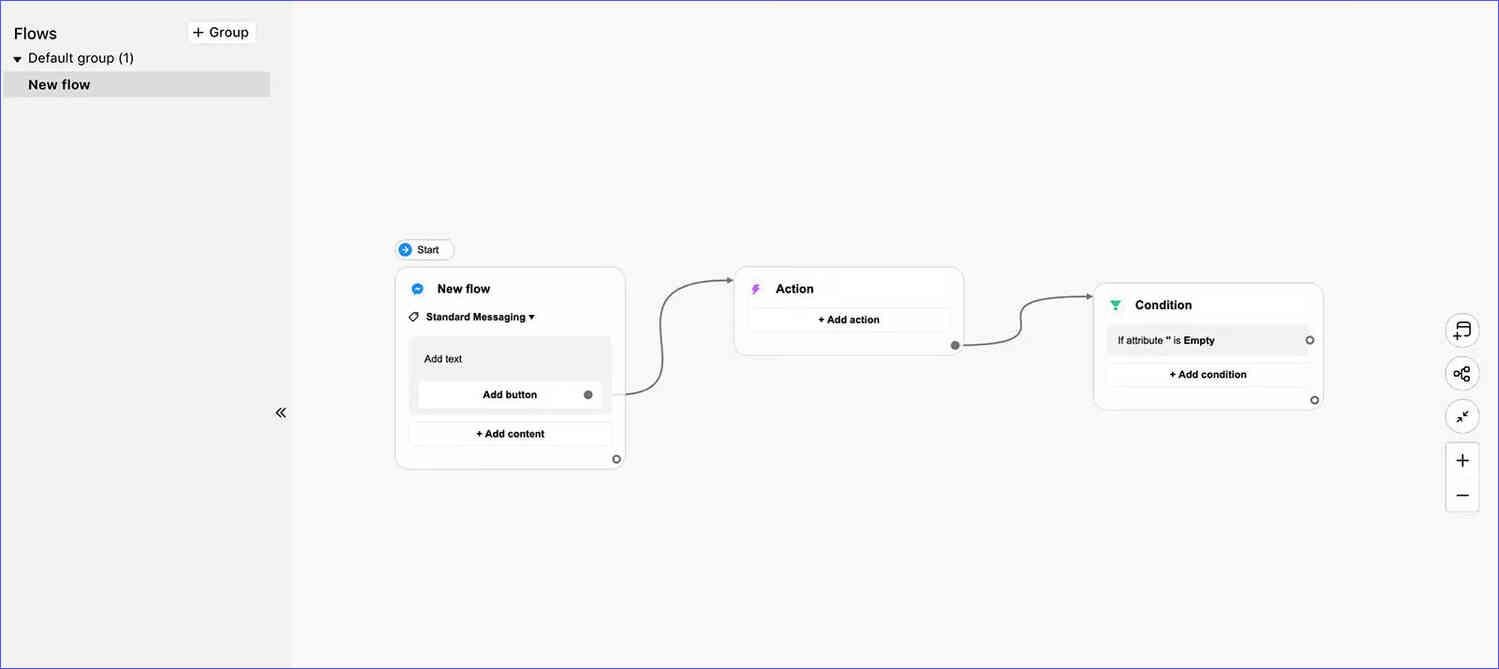
For instance, if someone asks about email marketing tools, your chatbot could ask about their list size and business type, then recommend specific platforms with your affiliate links.
The conversation feels personal while running completely automatically, ensuring no potential commission gets lost due to delayed responses.
For more details, take a look at this post on how to use a chatbot for affiliate marketing.
Automating affiliate marketing turns it from a time-intensive hustle into a scalable business system. These tools handle routine tasks while you focus on creating valuable content and building relationships with your audience.
Affiliate marketing automation tools
Running a successful affiliate marketing business requires juggling multiple tasks simultaneously. Here are the most effective automation tools that can streamline your affiliate marketing efforts.
Kit
Kit (formerly ConvertKit) stands out as an email marketing platform designed specifically for creators and online entrepreneurs.
The tool excels at building automated email sequences that nurture subscribers while promoting affiliate products naturally.
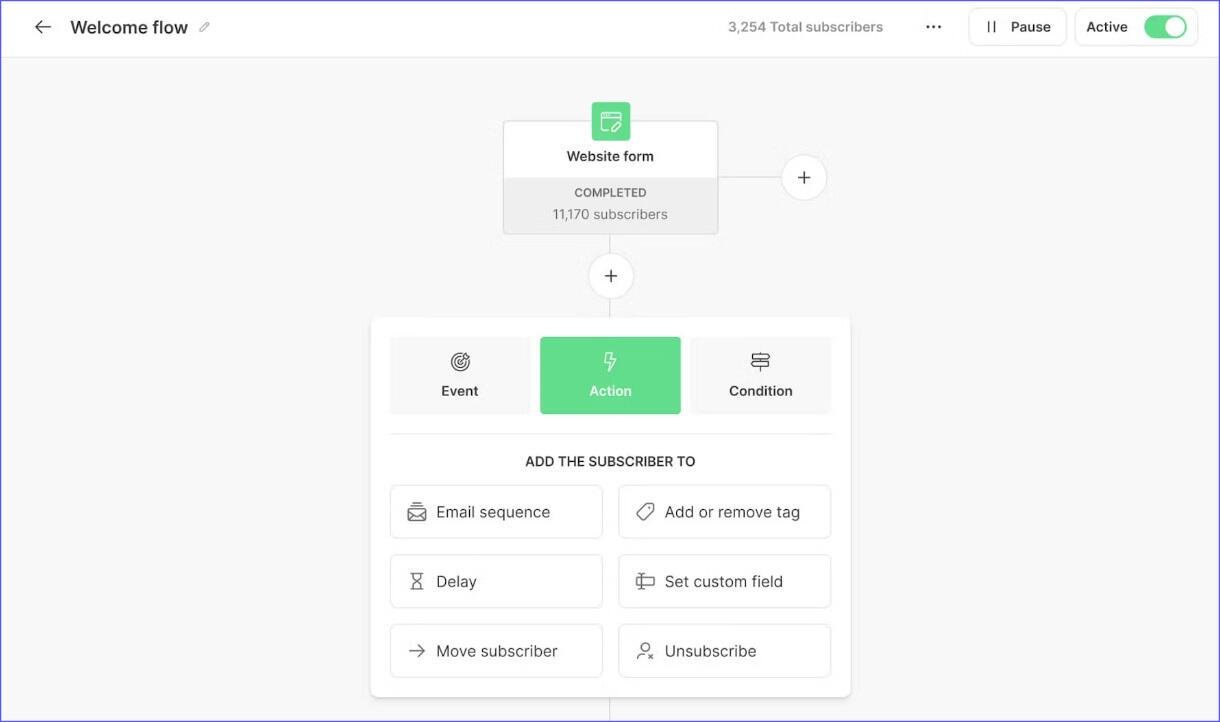
You can segment your audience based on their interests and behavior, ensuring each person receives relevant content that matches their needs.
Key features:
Visual automation builder for creating complex email sequences
Advanced subscriber tagging and segmentation options
Customizable opt-in forms and landing pages
Integration with major affiliate networks and e-commerce platforms
Detailed analytics and reporting for campaign performance
Pros:
User-friendly interface that doesn’t require technical expertise
Excellent deliverability rates compared to other email platforms
Strong customer support with helpful resources and tutorials
Affordable pricing that scales with your subscriber count
Cons:
Limited design templates compared to other email tools
Advanced features require higher-tier plans
Some integrations need third-party connections through Zapier
My verdict: ConvertKit simplifies email automation for affiliate marketers, making it easy to build profitable relationships with subscribers without constant manual effort.
Buffer
Buffer can work as an affiliate marketing automation tool that helps you maintain a consistent social media presence across multiple platforms without spending hours each day posting content.
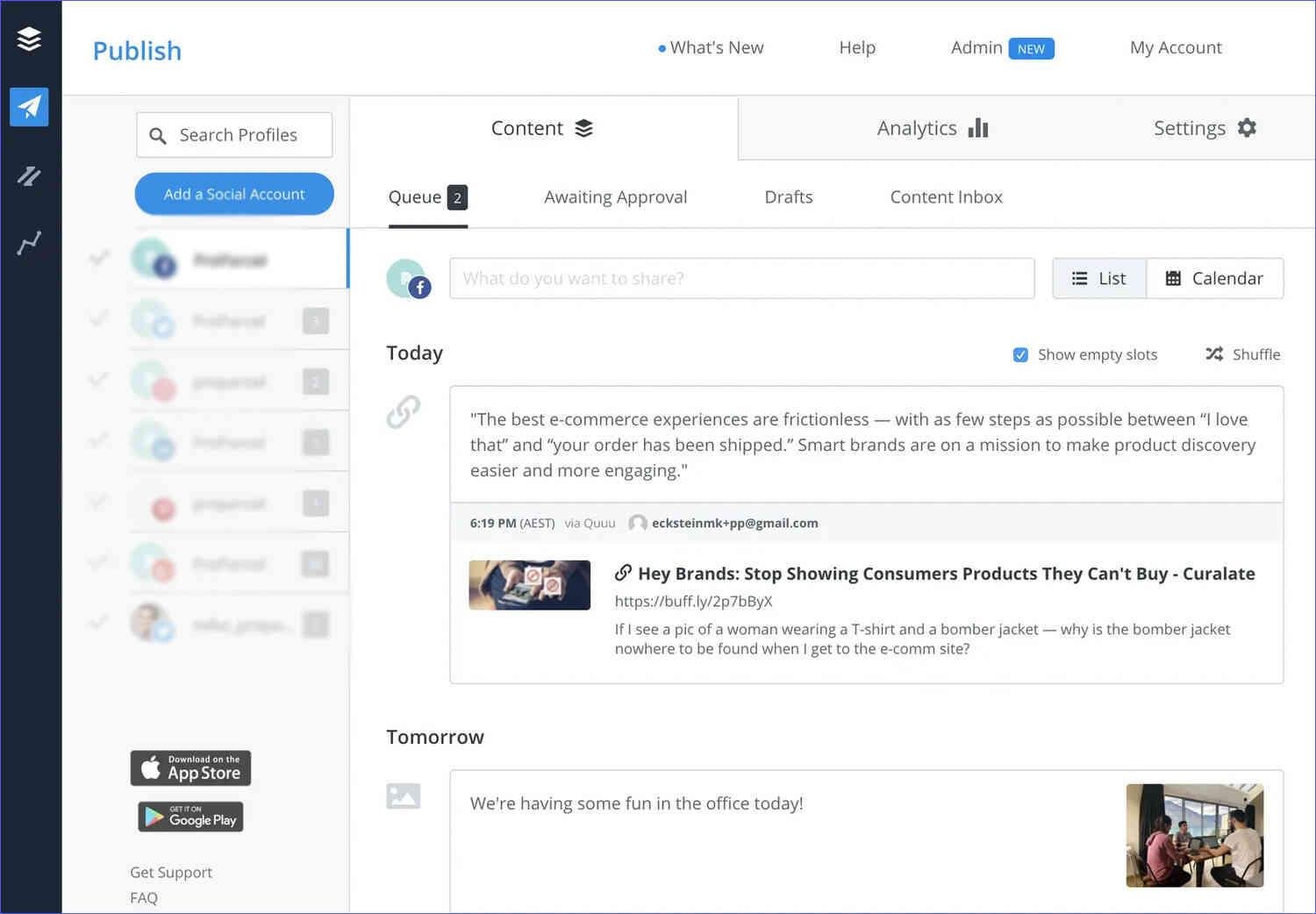
The tool allows you to schedule posts weeks in advance, ensuring your affiliate promotions reach audiences at optimal times. You can also analyze which content performs best and adjust your strategy accordingly.
Key features:
Multi-platform scheduling for Facebook, Twitter, Instagram, LinkedIn, and Pinterest
Content calendar view for visualizing your posting schedule
Analytics dashboard showing engagement metrics and best posting times
Team collaboration features for managing multiple accounts
Browser extension for easy content sharing
Pros:
Clean, intuitive interface that’s easy to navigate
Reliable posting that rarely fails or misses scheduled times
Good free plan that covers basic needs for small accounts
Helpful analytics that guide content strategy decisions
Cons:
Limited Instagram features compared to dedicated Instagram tools
No built-in content creation or editing capabilities
Higher-tier plans can become expensive for multiple accounts
My verdict: Buffer streamlines social media management effectively, helping affiliate marketers maintain consistent online presence while focusing on content creation and relationship building.
Zapier
Zapier connects different apps and services, helping you automate affiliate marketing by creating workflows that eliminate repetitive tasks.
For affiliate marketers, this means you can automatically move data between platforms, trigger actions based on specific events, and keep all your tools working together seamlessly.
The possibilities are nearly endless once you understand how to set up these connections.
Key features:
Over 5,000 app integrations covering most popular marketing tools
Multi-step workflows that can perform complex automation sequences
Conditional logic for creating smart, responsive automations
Built-in error handling and notification systems
Templates for common automation scenarios
Pros:
No coding knowledge required to create sophisticated automations
Extensive library of pre-built templates and integrations
Reliable performance with good uptime and error recovery
Scales from simple two-app connections to complex workflows
Cons:
Can become expensive as you add more automated tasks
Learning curve for understanding how different triggers and actions work
Some integrations have limitations or require premium app accounts
My verdict: Zapier helps you with affiliate marketing automation by transforming disconnected marketing tools into a cohesive system, dramatically reducing manual work while improving data accuracy and workflow efficiency.
ClickFunnels
ClickFunnels specializes in creating high-converting landing pages and sales funnels for affiliate promotions.
The platform includes everything you need to capture leads, nurture prospects, and drive affiliate sales through optimized conversion paths. You can build complete marketing funnels without needing separate tools for different functions.
Key features:
Drag-and-drop funnel builder with pre-designed templates
A/B testing capabilities for optimizing conversion rates
Email automation integrated directly into funnel sequences
Affiliate management system for recruiting and managing promoters
Analytics and tracking for monitoring funnel performance
Pros:
All-in-one solution that eliminates need for multiple tools
High-converting templates based on proven marketing principles
Strong community and educational resources for learning funnel strategy
Built-in split testing makes optimization straightforward
Cons:
Higher monthly cost compared to individual specialized tools
Steep learning curve for mastering all available features
Limited customization options compared to dedicated website builders
My verdict: ClickFunnels excels at creating complete affiliate marketing systems, though the cost and complexity make it better suited for serious marketers.
Google Analytics
Google Analytics is a great tool to automate affiliate marketing. It provides detailed insights into your website traffic and user behavior, helping you understand which affiliate promotions generate the best results.
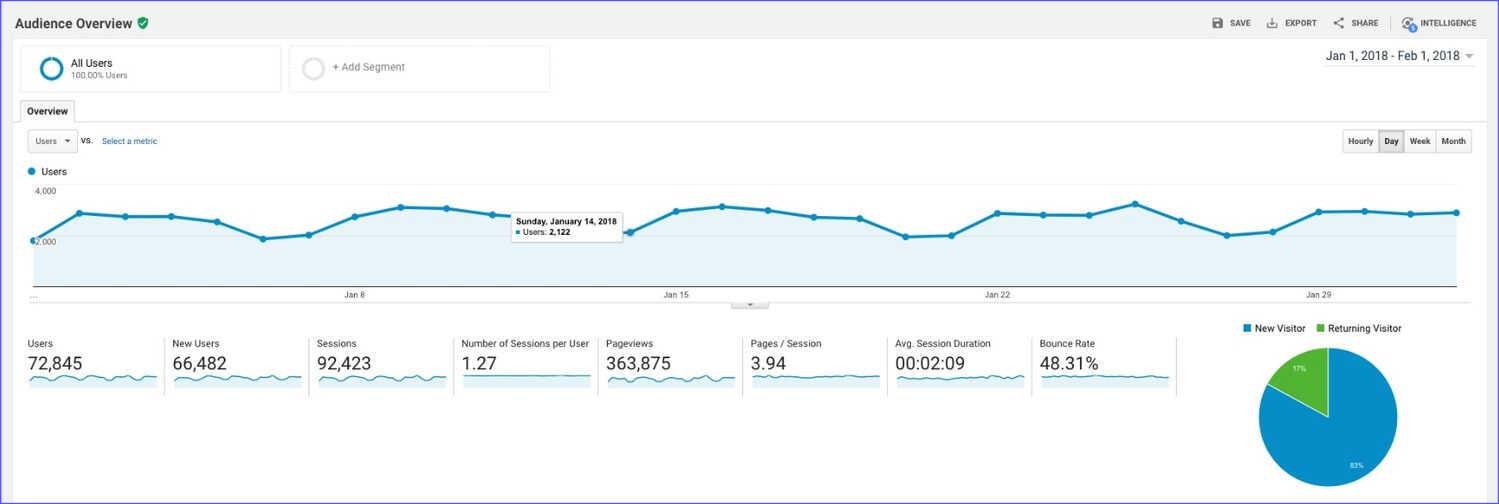
You can track visitor sources, monitor conversion paths, and identify optimization opportunities. The tool integrates with most other marketing platforms, creating a comprehensive view of your marketing performance.
Key features:
Comprehensive traffic analysis and user behavior tracking
Goal setting and conversion tracking for affiliate campaigns
Custom dashboard creation for monitoring specific metrics
Integration with Google Ads and other Google marketing tools
Real-time reporting for immediate performance insights
Pros:
Completely free with robust features that rival paid alternatives
Industry-standard analytics that most other tools integrate with
Extensive documentation and learning resources available
Powerful segmentation and filtering capabilities
Cons:
Steep learning curve for accessing advanced features
Interface can feel overwhelming for beginners
Data sampling on high-traffic sites can affect accuracy
My verdict: Google Analytics remains essential for serious affiliate marketers, providing unmatched insights into website performance and user behavior patterns.
These affiliate marketing automation tools work best when used together as part of a comprehensive marketing system.
Start with one or two that address your biggest pain points, then gradually add others as your business grows and your needs become more complex.
Final thoughts on affiliate marketing automation
The tools we’ve covered address different aspects of your marketing workflow, from email sequences that nurture leads to social media schedulers that maintain consistent presence across platforms.
Start small by choosing one area that consumes most of your time, then gradually add more automation as you become comfortable with the process.
Remember that automating affiliate marketing enhances your efforts rather than replacing them entirely. You still need to create quality content, understand your audience, and make strategic decisions about which products to promote.
The key is finding the right balance between automated efficiency and personal connection. When done correctly, automation frees up time for activities that truly grow your business while ensuring nothing falls through the cracks in your marketing efforts.
Did I miss anything? Did you try these tips? Do you have any questions or comments? Share your thoughts below in the comments section.