You’ve built an amazing website. You’ve poured hours into perfecting every page, choosing the right colors, and writing compelling content. But here’s the thing — nobody’s visiting it.
Sound familiar? You’re not alone. Millions of websites sit in the shadows of the internet, invisible to the very people they’re meant to serve.
The good news? This isn’t about luck or having a massive budget. It’s about knowing the right moves to make.
Let’s explore website marketing strategies that actually work to get your site noticed and turn visitors into customers.
Disclaimer: If you buy any products through links on this site, I may earn a commission. But it doesn't make any difference to your cost, and it helps me keep this blog running. So you could always read my articles for free.
What is website marketing?
Website marketing is simply the process of promoting your website to the right people at the right time.
It’s not just about getting any traffic. You could have thousands of visitors, but if they’re not interested in what you offer, what’s the point? Marketing your site means focusing on attracting people who actually want what you have.
So, what does this include? For starters, it covers making your site visible on search engines when people look for products or services like yours.
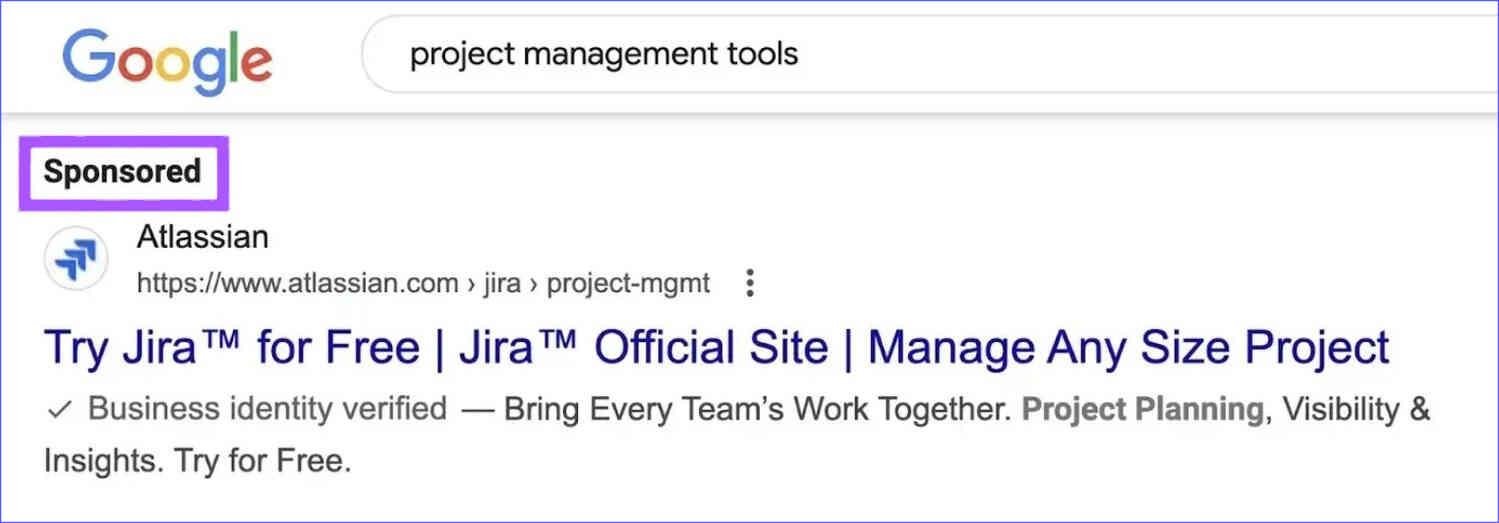
It also involves creating content that answers your audience’s questions and solves their problems. Besides that, it includes using social media, email, and even paid ads to drive the right visitors to your site. Here’s a Google Ad, for example.
But wait—there’s more to it. To market your website also means to optimize your site so visitors don’t just show up and leave.
You want them to stick around, explore, and eventually do business with you. That’s where things like user-friendly design and compelling calls-to-action come in.
The best part? You don’t need to be a tech wizard or have deep pockets to make it work. Spreading the word about your website includes using a mix of free and paid methods, and you can start small and grow from there.
In short, website marketing is your toolkit for turning your website from an online brochure into a powerful business asset that works around the clock to bring you customers.
Why is website marketing important?
Now that you know what marketing your website means, you might wonder why it matters so much. Let’s look at the real reasons why skipping website outreach could be costing you big time.
Your website can’t succeed in isolation
Let me guess — you think having a great website is enough? Unfortunately, that’s like opening a store in the middle of nowhere and expecting crowds to show up. Without marketing, your website is practically invisible.
Here’s the deal: there are over 1.9 billion websites out there. And you know what? Most of them get zero traffic. The only way to stand out is by actively promoting your website to people who need what you offer.
Marketing brings the right people to your door
Look, random visitors won’t pay your bills. You need qualified visitors — people actually interested in your products or services. That’s exactly what good website marketing does. It filters out the tire-kickers and brings in serious buyers.
For example, if you run a local company, appearing in regional listings is essential. This is because individuals frequently search online for nearby services.
To do this, they either browse local business directories or type a phrase such as “lawyer near me” into Google. In most instances, Google then directs them to one of these regional listing platforms.
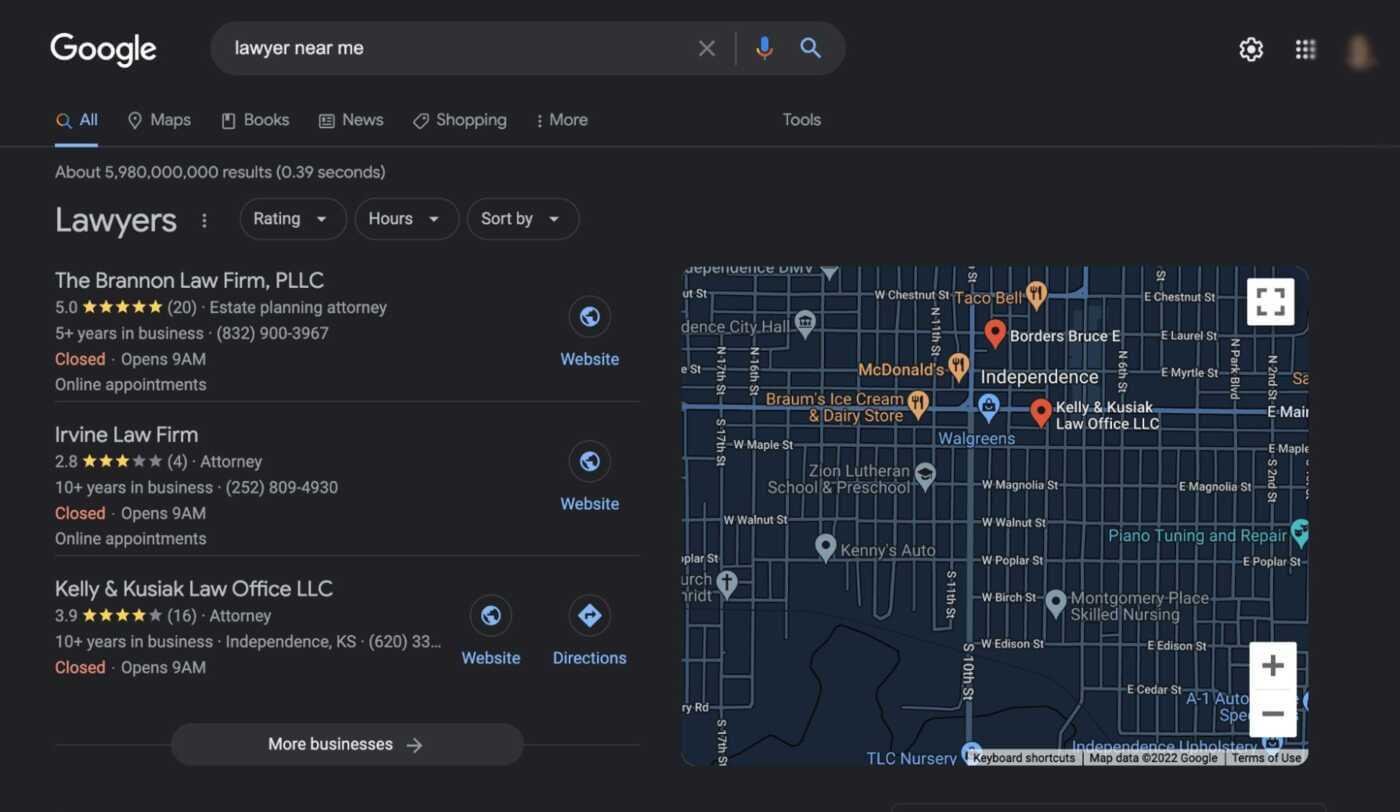
For example, when someone searches for “emergency plumber near me,” they’re ready to hire someone right now. If your plumbing website shows up first, you’ve just gained a customer. But without marketing? They’ll never find you.
It builds trust
Here’s something interesting: most people research businesses online before making contact. In fact, they form opinions about you based on what they find—or don’t find.
Strong marketing creates multiple touchpoints where potential customers can learn about you, read reviews, and feel confident choosing you.
Website marketing isn’t optional. It’s the difference between a website that generates leads and sales versus one that sits empty. Without it, you’re essentially running a business with the doors locked, hoping customers will somehow break in.
Top website marketing strategies
Ready to turn your website into a marketing powerhouse? Let’s explore the strategies that actually move the needle.
Optimize website design and UI
First things first: your website needs to be easy to use. No matter how much effort you put into promoting your website, if the visitors can’t find what they need in seconds, they’ll leave. It’s that simple.
Start by putting yourself in your visitors’ shoes. Can they immediately understand what you offer? Is your main menu clear? Are important buttons easy to spot?
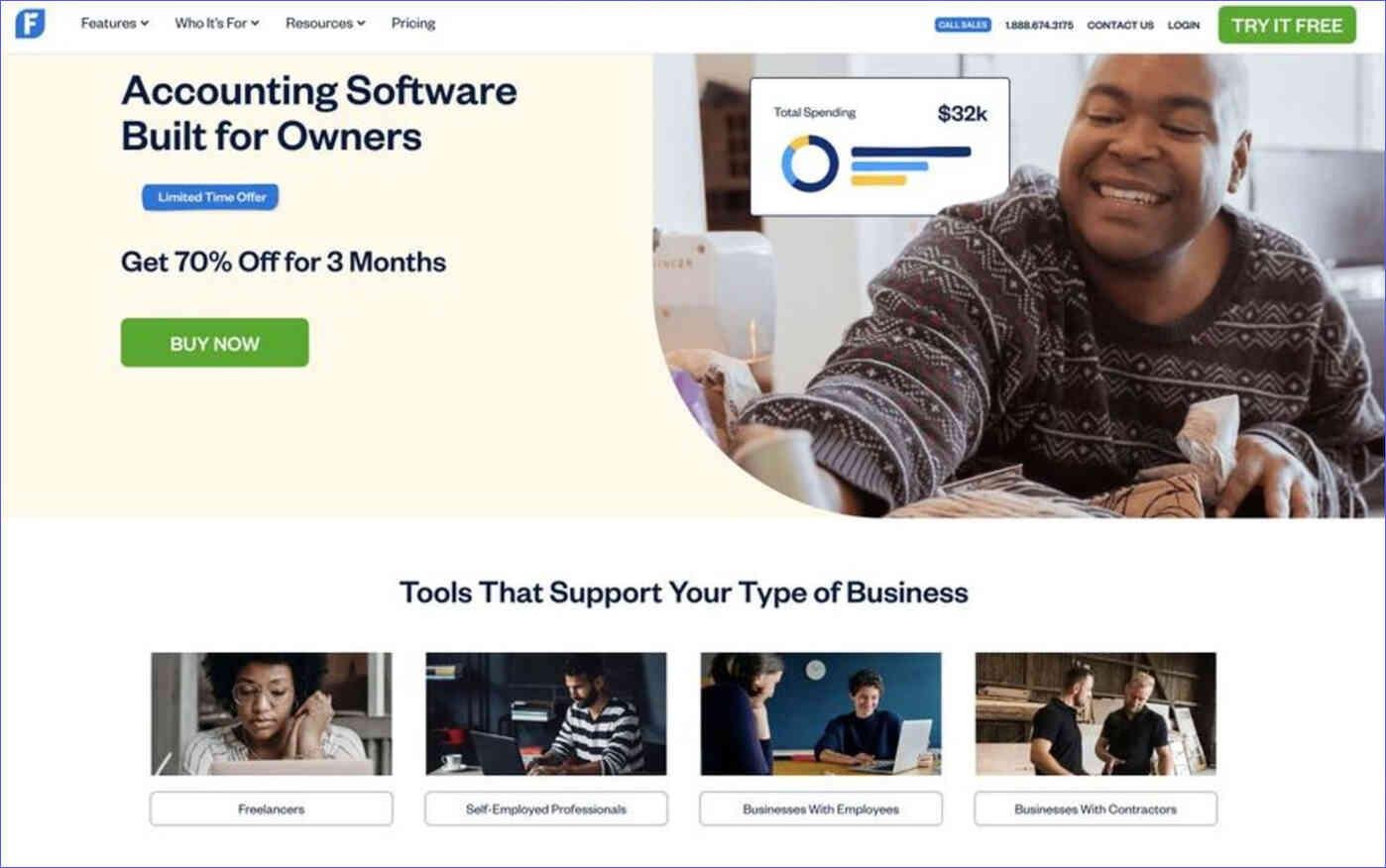
Cluttered designs confuse people. Instead, use plenty of white space and make your calls to action stand out with contrasting colors. For example, FreshBooks’ main webpage layout is clean and uncomplicated.
Also, before you market your website, you need to make sure your site works perfectly on phones.
Over half your visitors are probably browsing on mobile devices. If they have to pinch and zoom to read your content, you’ve already lost them. For more information, read this post on website design optimization.
Fix website architecture
Now, let’s talk about how your website is organized. Think of your site architecture like a filing cabinet—everything should have its logical place.
Your homepage should link to main categories, which then link to specific pages. For example, a clothing store might have Home > Women’s Clothing > Dresses > Summer Dresses. This structure helps visitors find what they want without getting lost.
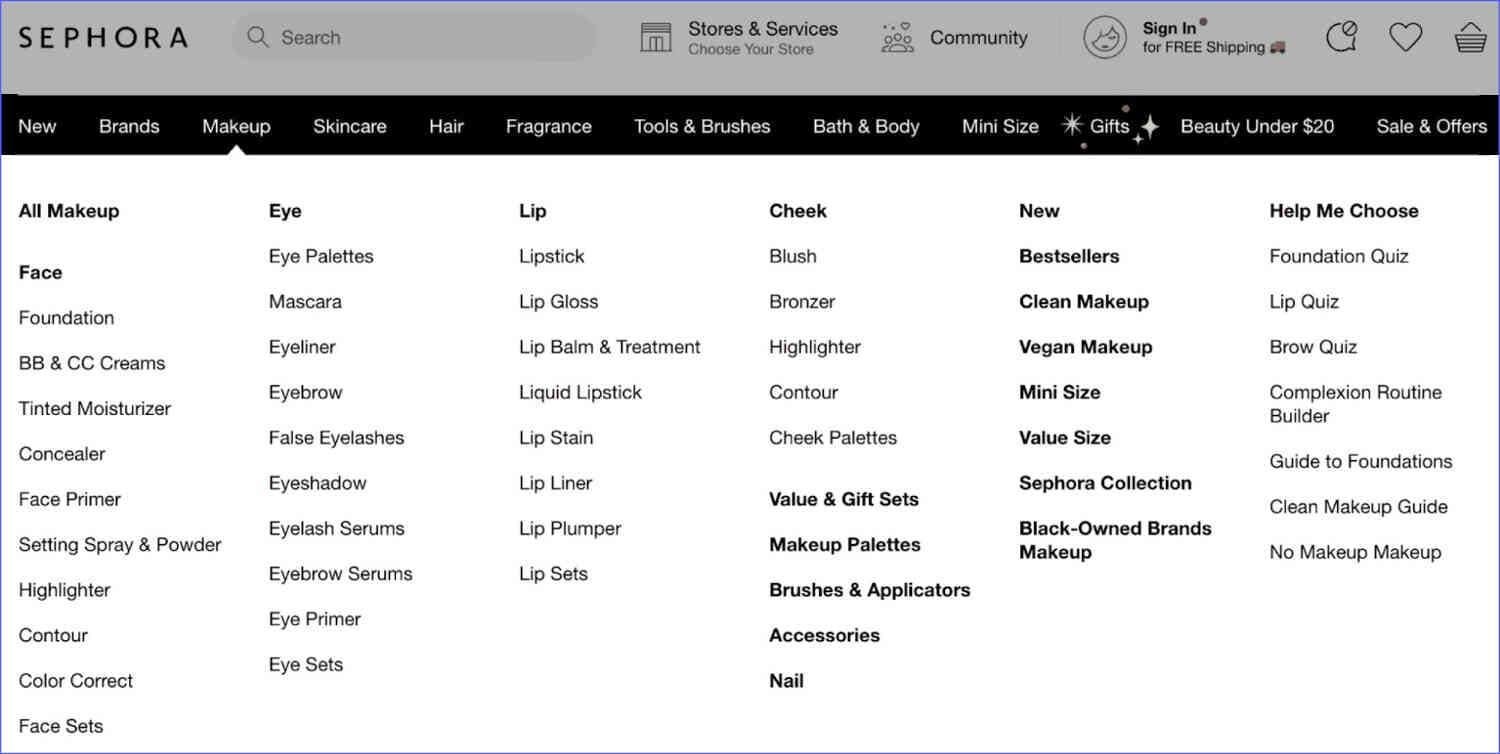
For instance, the well-known cosmetics brand Sephora excels at creating an intuitive browsing experience that aligns with Google’s content guidelines.
By organizing items into well-defined sections, Sephora helps visitors quickly locate their desired products with minimal effort.
But wait—there’s another benefit of using this strategy in your website promotions. Search engines love well-organized sites. When Google can easily understand your site structure, it’s more likely to show your pages in search results.
Make it consistent with your brand
Here’s something many businesses overlook while marketing a website: it should feel like a natural extension of your brand. If your business cards are blue and professional, but your website is orange and playful, something’s off.
Use the same colors, fonts, and tone of voice across your entire site. Include your logo on every page.
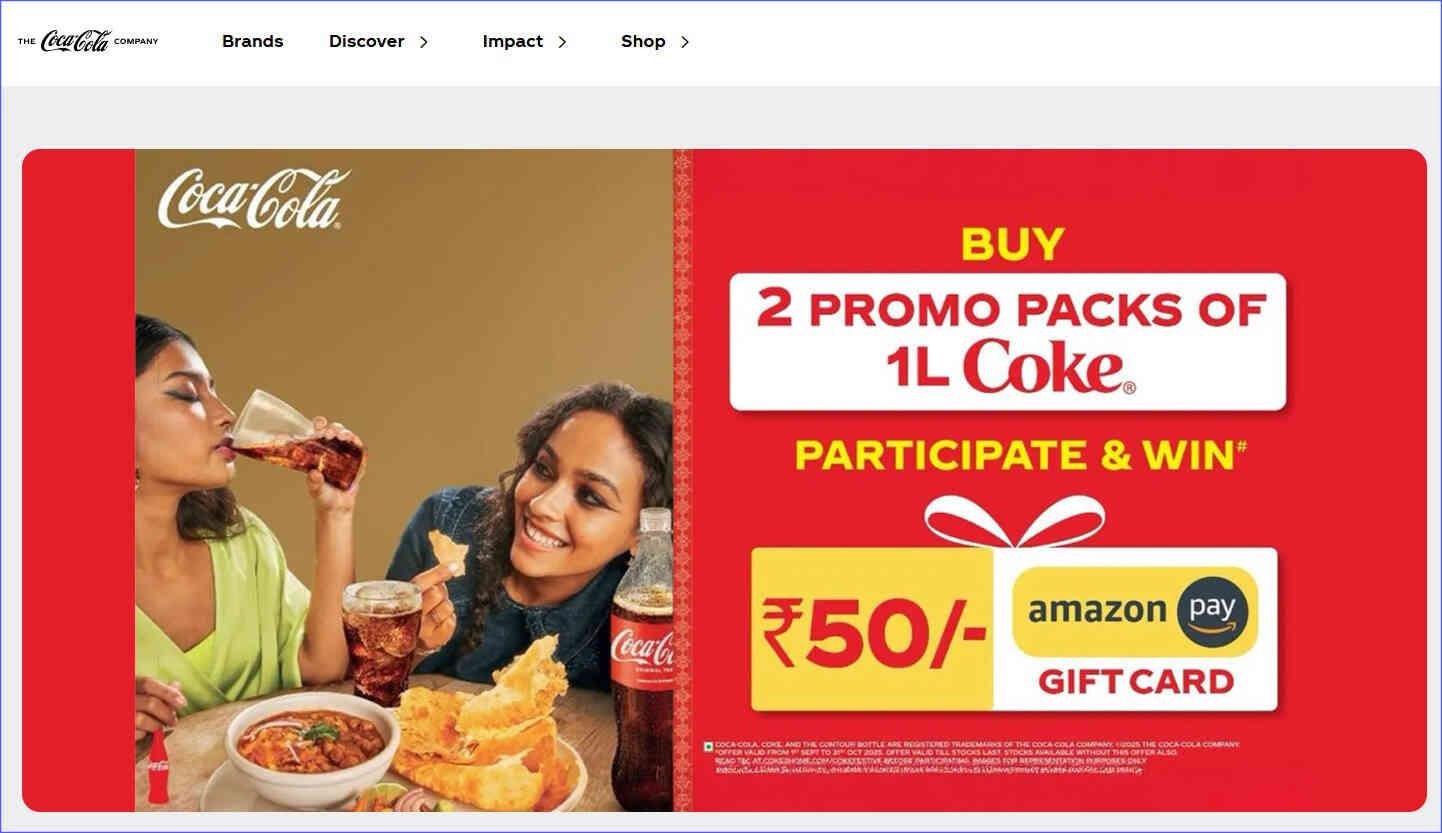
From its inception, Coca-Cola has consistently preserved the same recognizable logo design. Whether you look at its advertisements, promotional campaigns, retail outlets, websites, or social media pages, the brand’s enduring color scheme, distinctive cursive lettering, and strong typography remain unwavering.
Write in a style that matches how you talk to customers in person. The result? Visitors feel confident they’re dealing with a professional business.
To know more, read this article on building brand consistency in your website design.
Ensure fast loading speed
Let’s face it—nobody likes waiting. If your site takes more than three seconds to load, you’re losing visitors regardless of all your efforts to market your website. And you know what? Google penalizes slow sites too.
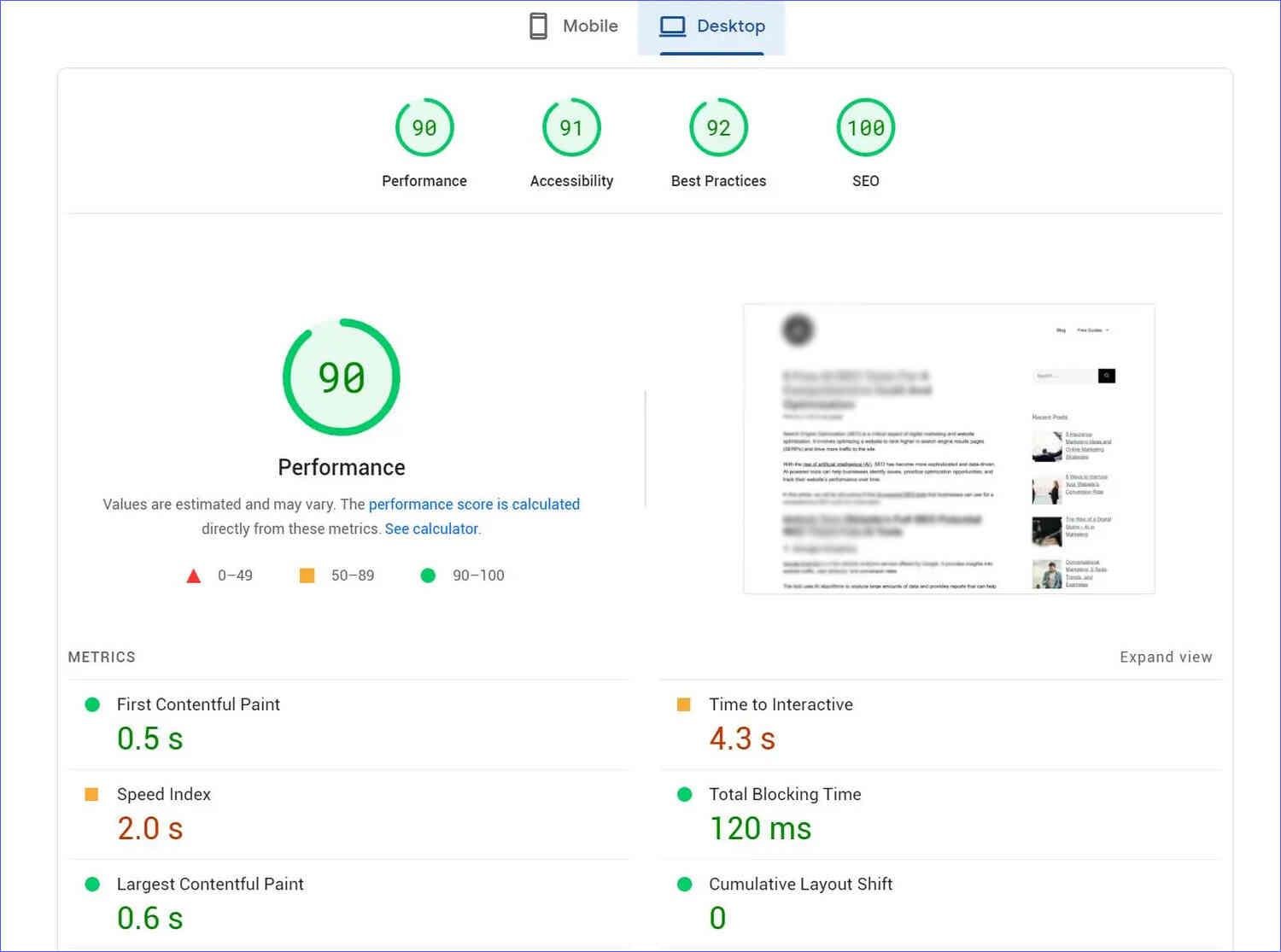
Start by checking your current speed with free tools like Google PageSpeed Insights. Then, compress your images—they’re usually the biggest culprits. You can reduce file sizes by 70% without visible quality loss.
Besides that, consider using a content delivery network (CDN). It stores copies of your site around the world, so visitors always load from a nearby server. The bottom line is: faster sites get more visitors and make more sales.
For more details, take a look at this post with tips on website speed optimization
Implement basic SEO
SEO might sound complicated, but the basics are actually straightforward. This website marketing strategy helps search engines understand what your pages are about.
First of all, write unique title tags for each page. Include what the page offers and your location if relevant. For instance: “Affordable Wedding Photography in Chicago | Jane’s Studio.”
Next, add meta descriptions—those short summaries that appear in search results. Make them compelling enough that people want to click.
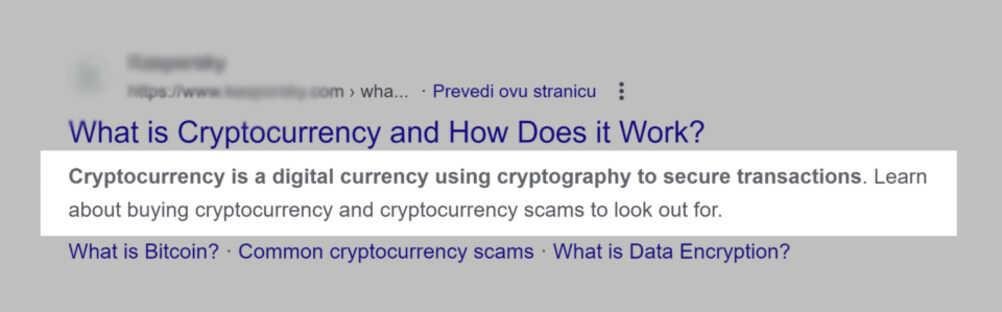
Also, use headings (H1, H2, H3) to organize your content, and naturally include keywords people might search for.
Don’t forget about your images either. Name them descriptively (wedding-photographer-chicago.jpg instead of IMG_1234.jpg) and add alt text describing what’s in the image.
To learn more, check out my post on SEO for beginners.
Optimize for local SEO
If you serve customers in a specific area, local SEO is a strategy you can use for your website promotion. It helps you show up when people search for businesses “near me” or in your city.
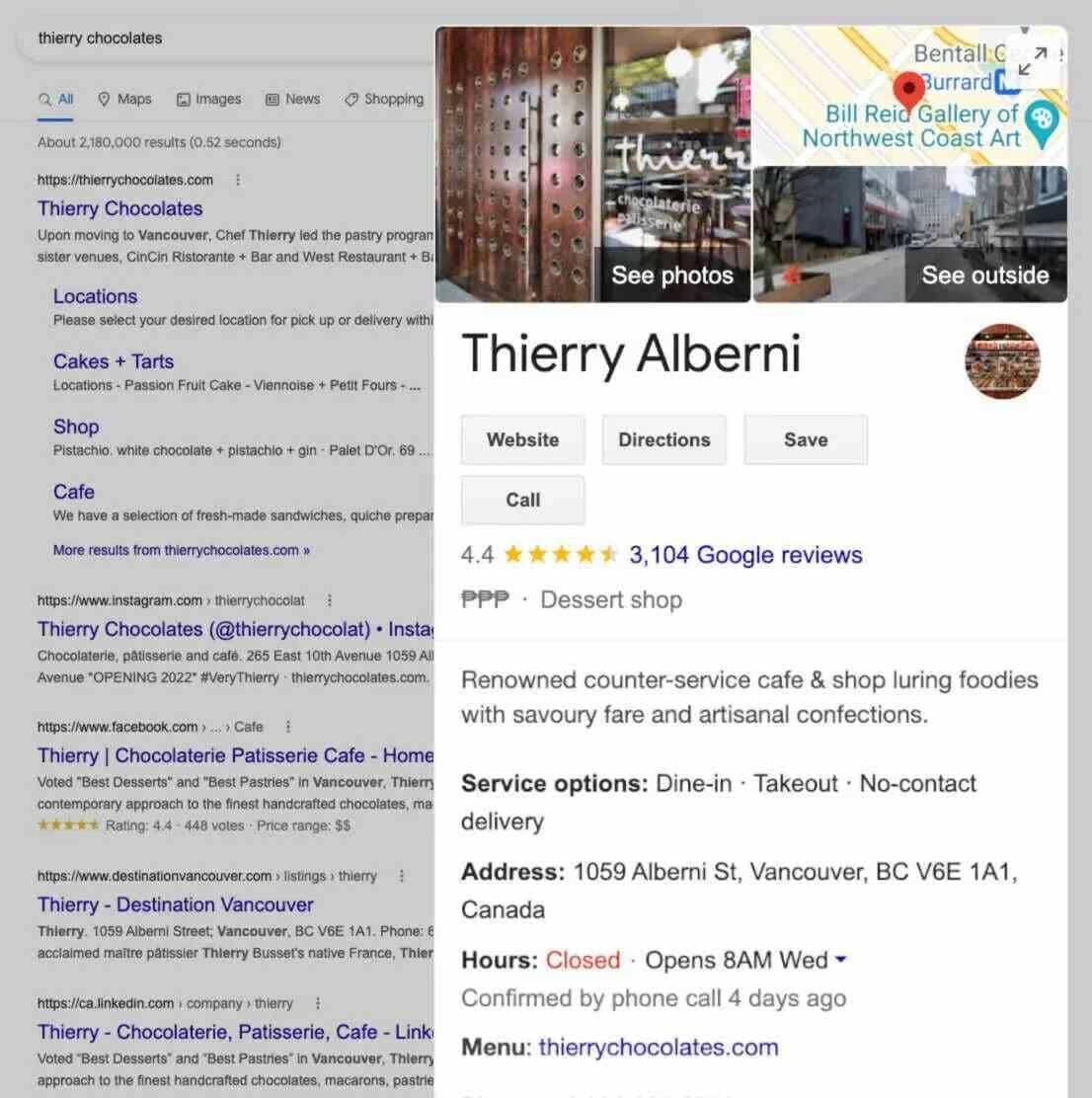
Here’s how you can get started with this website marketing strategy: claim your Google Business Profile listing. Fill it out completely with your hours, address, phone number, and photos. Encourage happy customers to leave reviews—they’re gold for local rankings.
Make sure your business name, address, and phone number (NAP) are identical everywhere online. Even small differences like “Street” vs “St.” can confuse search engines. Create location-specific pages on your website too, especially if you serve multiple areas.
The best part? Local SEO often has less competition than regular SEO. While big companies fight for broad keywords, you can dominate searches in your local market.
Create engaging content
Content is the fuel that drives website marketing. But it needs to be content people actually want to read, watch, or listen to.
Use content to answer the questions your customers ask. If you run a pet store, write about “How to Stop Your Dog from Barking at Night” or “5 Signs Your Cat Might Be Sick.”
These topics solve real problems, which makes people stick around and trust you.
Mix up your content types too. Blog posts are great, but also try videos, infographics, or downloadable guides.

For example, Wix runs a podcast series called Now What, where industry leaders share their thoughts on the future of business, design, and online commerce.
Each episode offers valuable advice and strategies for entrepreneurs looking to thrive in a constantly evolving tech landscape.
For more information, read my blog post on content creation.
Optimize for social media marketing
Your website and social media should work together like best friends. Unfortunately, many businesses treat them like strangers. This can become a problem if you want to market your website.
First, add social sharing buttons to your content. Make it dead simple for visitors to share your blog posts or products with their networks.
You also need to optimize your content for sharing. Use eye-catching images, write compelling headlines, and keep your URLs short and clean.
Here’s something else you can use in your website promotion strategy: add Open Graph tags to your pages.
These tell Facebook, LinkedIn, and other platforms exactly which image and description to show when someone shares your link.
Here’s an example of Open Graph meta tags on Facebook page from Kuraray, a specialty chemicals company

Without them, social platforms might grab random text or images that don’t represent your content well.
To know more, take a look at this article on optimizing content for social media.
Promote on social media
Having social media profiles isn’t enough to market your website. You need to actively use them to drive traffic back to your site.
To promote your website, you can share your new blog posts. But don’t just drop a link and run. Write a compelling introduction that makes people want to click. Ask questions, share a surprising stat, or tease the main benefit they’ll get from reading.
For example, here’s an engaging social media post by Burger King.
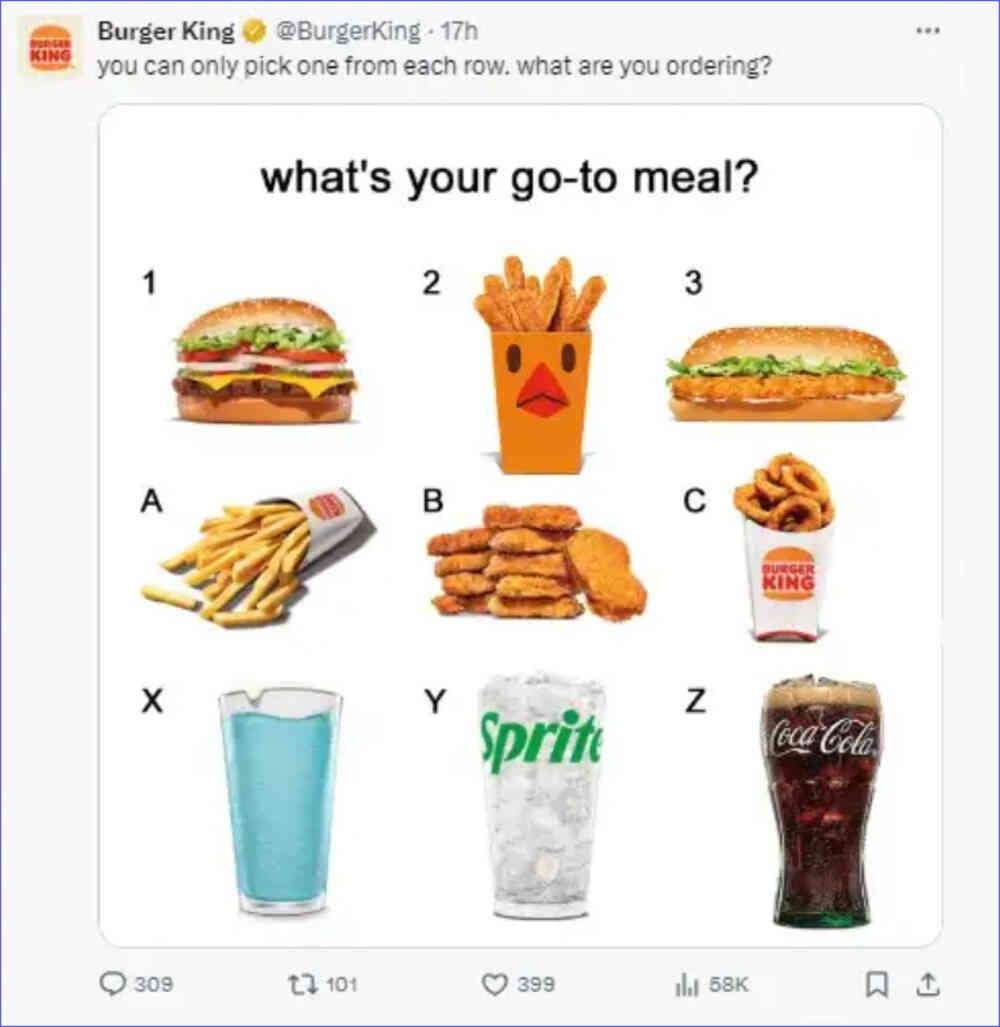
Besides that, engage with your followers. Reply to comments, join relevant conversations, and share other people’s content too.
The more you interact, the more visibility you get. And you know what? People buy from businesses they feel connected to.
For more details, see this blog post on ways to promote a website on social media.
Invest in PPC advertising
Sometimes you need traffic fast. That’s where pay-per-click (PPC) advertising comes in. Using this strategy while marketing your website can help you get visitors within hours instead of waiting months for SEO to kick in.
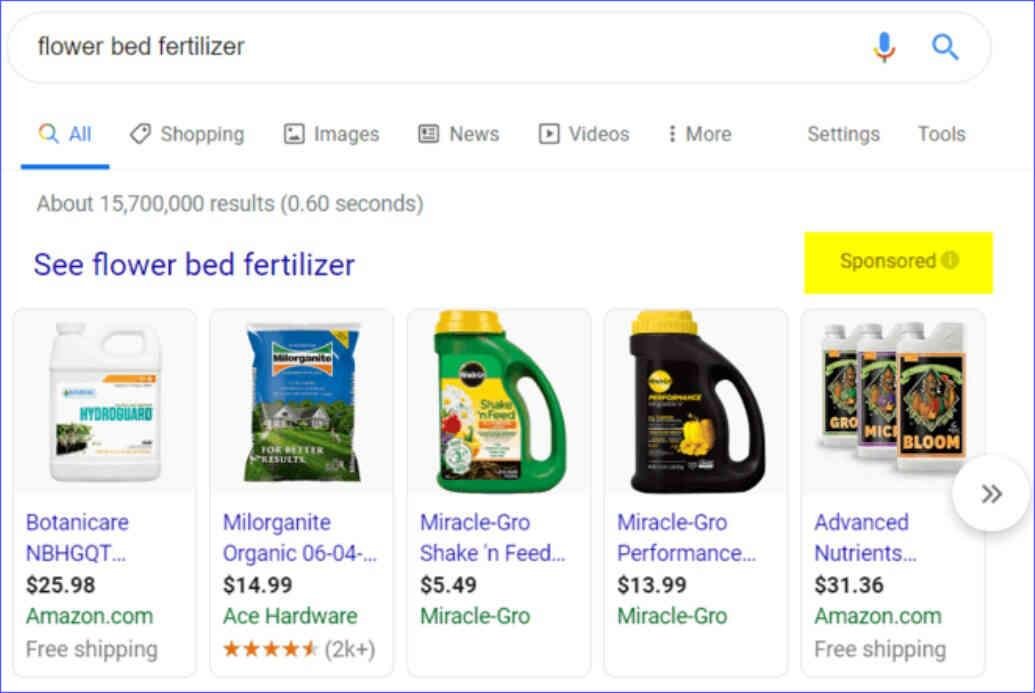
Google Ads is the obvious choice, but don’t overlook Facebook, Instagram, and LinkedIn ads. The best part? You can target exactly who sees your ads—by location, age, interests, and even specific behaviors.
Start small with a modest budget. Test different ad copy and see what works. Once you find winning combinations, gradually increase your spending.
Remember, you only pay when someone actually clicks your ad, so every dollar drives real visitors to your site.
To know more, check out this article on how to promote a website using PPC advertising.
Focus on email marketing
Email marketing isn’t dead—it’s actually one of the most profitable marketing channels. For every dollar spent, businesses typically earn $10 – $36 back.
Here’s how to get started with this website marketing strategy: offer something valuable in exchange for email addresses. Maybe it’s a discount code, a free guide, or exclusive tips. Place signup forms strategically around your site—in the header, footer, and within blog posts.
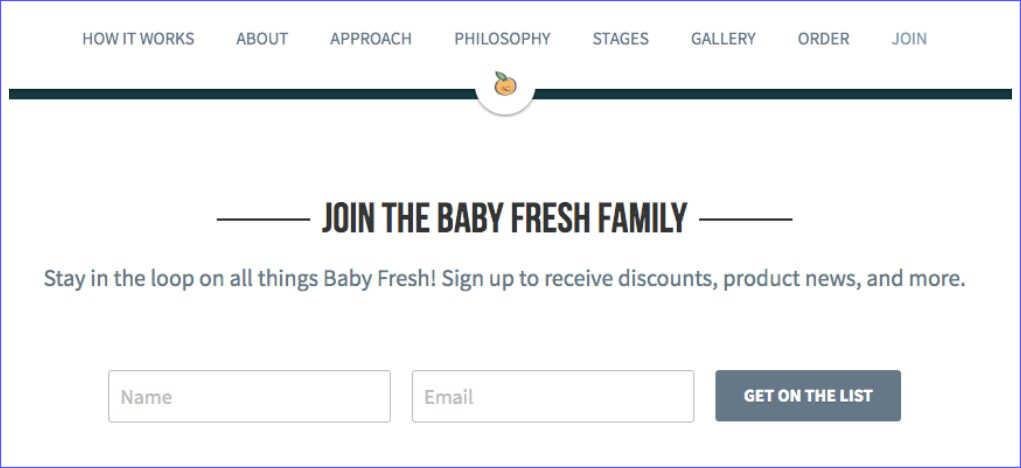
Once you have subscribers, don’t just blast them with sales pitches. Send helpful content, insider tips, and occasional special offers. The goal is to stay top-of-mind so when they’re ready to buy, they think of you first.
For more information, read this blog post on how to use email marketing to promote your website.
Run remarketing ads
Ever notice how ads seem to follow you around the internet? That’s remarketing, and it’s incredibly effective.
Here’s why it works: most people don’t buy on their first visit. In fact, it often takes seven or more interactions before someone makes a purchase. Using remarketing in your website marketing campaign keeps your business in front of people who’ve already shown interest.
Here is a retargeting promotion from Airbnb. Once you visit the platform, you’ll spot its retargeted advertisements appear in other places you visit, like your Facebook feed.
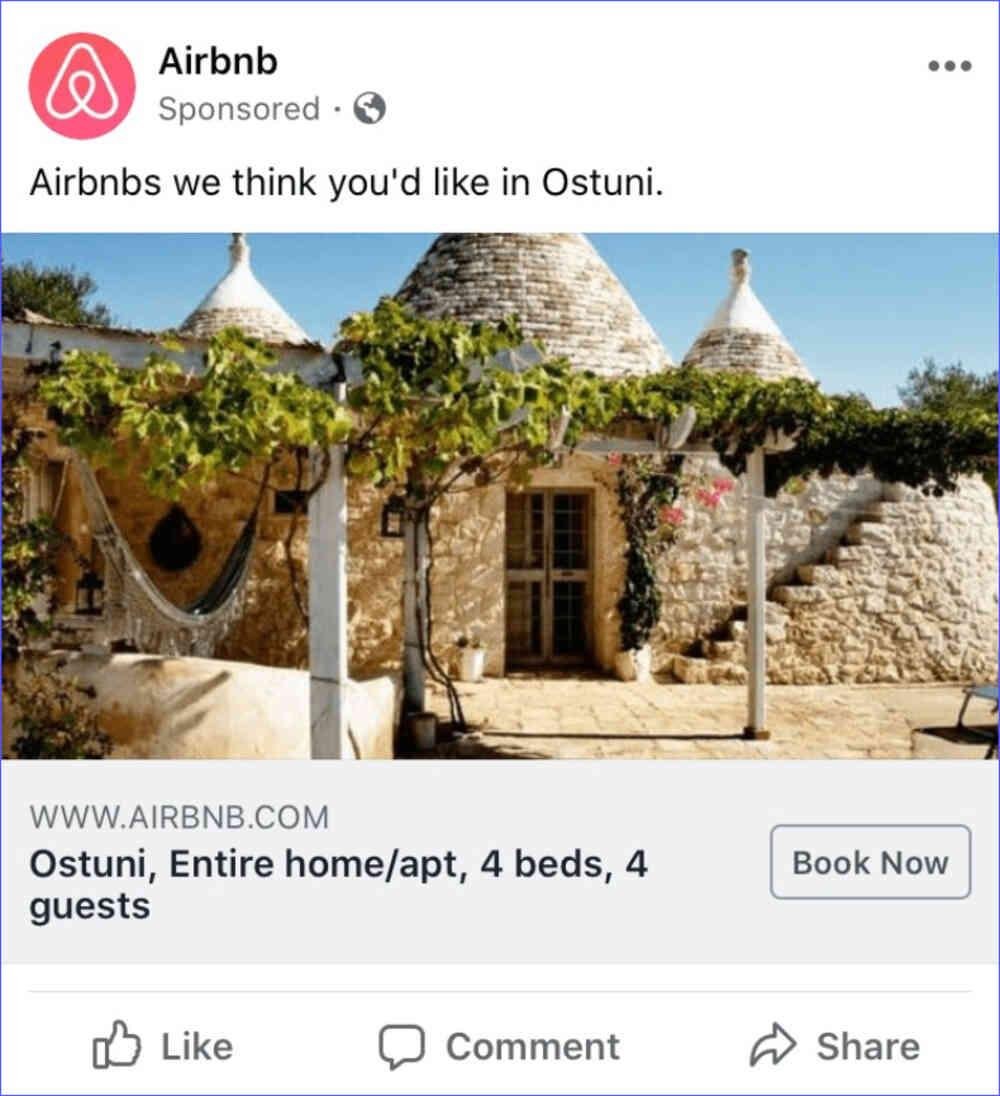
Setting it up is easier than you might think. Add a tracking pixel to your site, create ads specifically for past visitors, and watch your conversion rates climb. You can even show different ads based on which pages people visited.
Measure and optimize website performance
Look, you can’t improve what you don’t measure. That’s why tracking your website’s performance is crucial, especially when promoting a website.
Google Analytics is your best friend here. It shows you where visitors come from, what they do on your site, and where you’re losing them. When marketing your website, pay attention to metrics like bounce rate, time on site, and conversion rate.
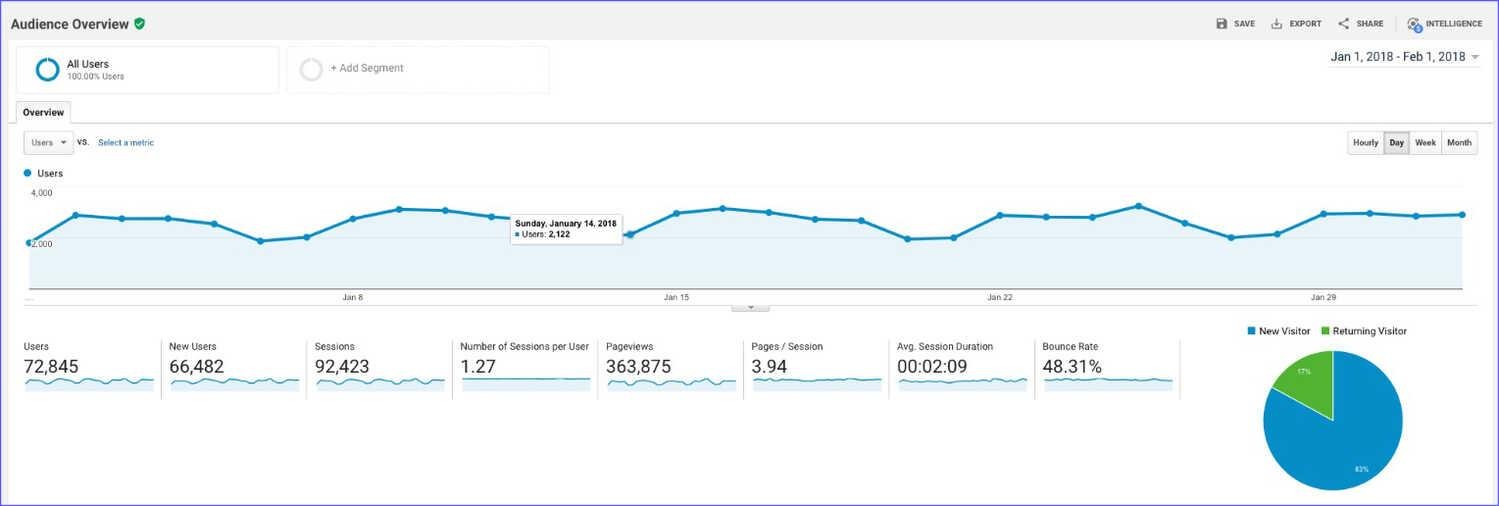
But don’t just collect data—act on it. If a page has a high bounce rate, figure out why. Maybe it loads too slowly or doesn’t match what people expected. Test different versions and see what improves results.
To learn more, read this guide on measuring web performance.
Final thoughts on website marketing
Marketing your website might seem overwhelming at first, but remember—you don’t have to do everything at once.
Start with the basics: make your site user-friendly, optimize for search engines, and create content that helps your audience. Then gradually add more strategies as you grow.
The most successful businesses treat site marketing as an ongoing process, not a one-time project. They test different approaches, measure what works, and keep improving. Some strategies will work better for your business than others, and that’s perfectly normal.
Your website has incredible potential to attract customers and grow your business. With consistent effort and the right strategies, you can transform it from an online brochure into your hardest-working employee. The key is to start somewhere and keep moving forward.
Did I miss anything? Did you try these tips? Do you have any questions or comments? Share your thoughts below in the comments section.