
Have you ever thought about earning money from the world’s largest B2B marketplace? While most affiliate marketers chase consumer programs, there’s a massive opportunity hiding in plain sight that few people know about.
Alibaba isn’t just where businesses find suppliers and manufacturers. It’s also an affiliate platform that pays commissions for connecting buyers with sellers.
Unlike typical affiliate programs that focus on individual consumers, Alibaba’s program targets business-to-business transactions, which often involve much higher order values.
You might think B2B affiliate marketing is too complex or requires industry expertise. But the truth is that Alibaba’s affiliate program is more accessible than most people realize.
This guide will explore how Alibaba’s affiliate marketing actually works, what benefits it offers, who can join, and practical steps to get started.
Disclaimer: If you buy any products through links on this site, I may earn a commission. But it doesn't make any difference to your cost, and it helps me keep this blog running. So you could always read my articles for free.
What is Alibaba affiliate marketing?
Alibaba affiliate marketing is a partnership program where you can make money by recommending products from Alibaba.com. When someone buys from your promotion, you receive a percentage of the sale value.
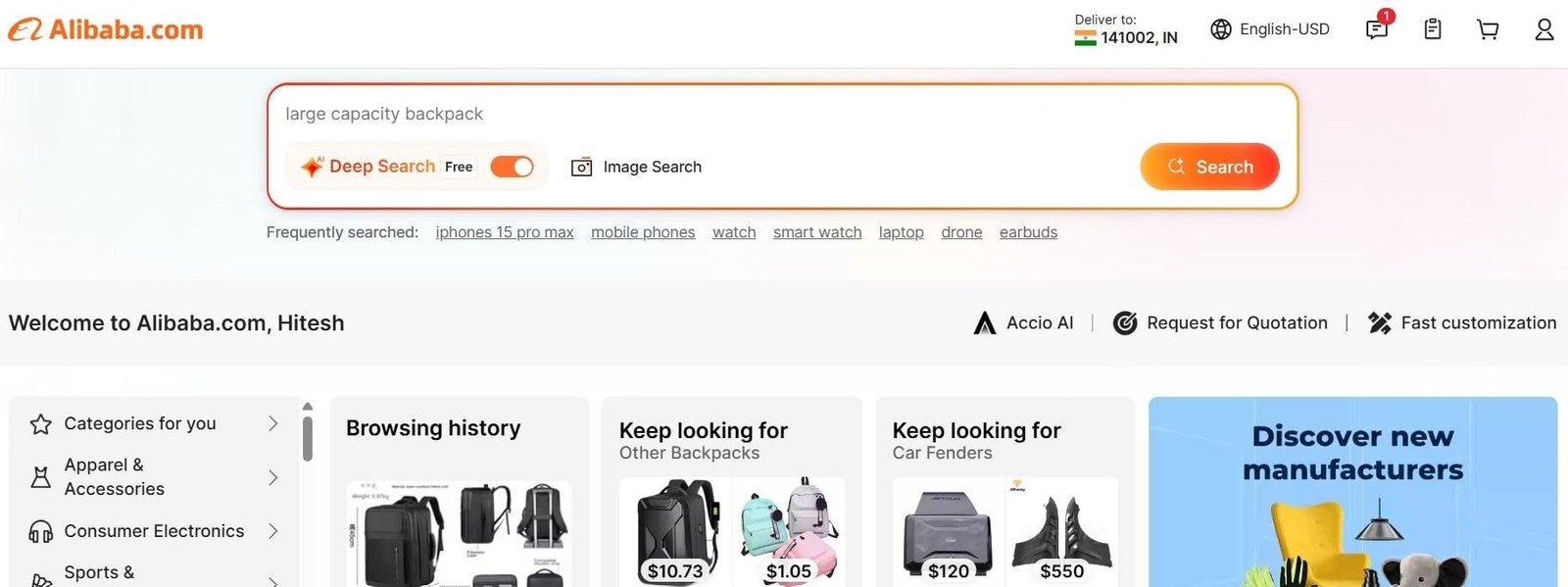
The program connects independent marketers (that’s you) with one of the world’s largest B2B marketplaces.
Here’s how it works: you apply to join the program, get approved, and then receive access to promotional materials and tracking links, also called affiliate links. After that, you can strategically include these links in your content.
For example, if you run a blog about manufacturing equipment, you could include Alibaba product links that match your content. When a person clicks your link to buy products from Alibaba, you’ll get a commission.
What’s more, their tracking system monitors clicks, conversions, and earnings. So, you can see whether your marketing efforts are effective.
Keep in mind that, unlike some other affiliate programs, Alibaba focuses primarily on business-to-business products rather than consumer goods.
This makes it especially useful for content creators who target business owners, entrepreneurs, or procurement professionals.
Pros and cons of Affiliate marketing with Alibaba
Does affiliate marketing with Alibaba align with your content strategy and business goals? Let’s find out.
Pros
Global reach and massive product selection
Alibaba connects you with millions of products from thousands of manufacturers across the globe. This diversity means you can find items to promote in almost any niche.
For example, if you run a blog about home improvement, you can find everything from power tools to decorative fixtures from suppliers worldwide.
Low barrier to entry
Joining the Alibaba affiliate program typically requires minimal upfront investment. You don’t need to create products, manage inventory, or handle shipping logistics.
Instead, you simply promote existing products and earn commissions when sales occur through your links.
B2B focus
Unlike many consumer-oriented affiliate programs, Alibaba specializes in business-to-business transactions. This focus can be advantageous if you target entrepreneurs, small business owners, or procurement specialists.
What’s more, B2B purchases often have higher average order values, potentially leading to larger commission payments.
Cons
Longer sales cycles
B2B purchases typically involve more decision-makers and longer consideration periods than consumer purchases.
This means if you do affiliate marketing with Alibaba, you might wait weeks or even months between promoting a product and earning a commission. In contrast, consumer-focused affiliate programs often see quicker conversion times.
Language and cultural barriers
Since Alibaba is based in China, you may encounter communication challenges with suppliers.
Product descriptions might contain translation errors or cultural nuances that are difficult to understand. These barriers can complicate your efforts to accurately represent products to your audience.
Quality control concerns
The vast marketplace includes suppliers of varying reliability and product quality. Without careful vetting, you risk promoting products that don’t meet expectations, which could damage your reputation.
Consider this: if a follower makes a large purchase based on your recommendation and receives substandard goods, they may lose trust in your recommendations altogether.
Complex commission structure
Alibaba’s payment system can be more complicated than other affiliate programs.
Their payment methods might differ from what you’re accustomed to with Western platforms.
Additionally, currency conversion and international banking fees can eat into your earnings.
By comparing these pros and cons, you can determine if Alibaba affiliate marketing is right for you.
How to join the Alibaba affiliate program
By following these steps carefully, you’ll be well on your way to joining and benefiting from the Alibaba affiliate program.
Understand the program basics
Before applying, familiarize yourself with how Alibaba’s affiliate program works.
Essentially, it allows you to earn commissions by promoting Alibaba products through your website, social media, or other marketing channels.
When someone clicks your unique tracking link and makes a purchase, you receive a percentage of the sale value.
You should also have a good understanding of their payment methods, payout percentages, how long a cookie is tracked, and their particular terms or restrictions.
The commission rates usually vary from 3% to 9%, depending on the product category and your performance. The cookie duration is 15 days, and the payment threshold is $50.
Before joining, make sure Alibaba’s program aligns with your viewers’ interests and the type of content you post.
Check eligibility requirements
Alibaba typically requires affiliates to have an established online presence. What does that mean? To start affiliate marketing with Alibaba, you need to have an active website, blog, or social media account with regular activity and a reasonable following.
The platform also looks for content that aligns with their business model. So, B2B focused websites often perform better.
For instance, if you run a blog about manufacturing or wholesale purchasing, you’re more likely to be approved than a personal lifestyle blog.
Complete the application form
To join the program, you can search directly for “Alibaba Affiliate Program” or type ads.alibaba.com in your preferred search engine.
Once you’ve located the program page, click on “Register” to access the application form.
Here’s what you’ll typically need to provide:
- Basic personal information (name, email, phone number)
- Website URL or social media handles
- Description of your promotional methods
- Monthly traffic statistics or follower counts
- Relevant niche or industry focus
Be honest about your metrics. Inflating numbers might get you approved initially, but could lead to issues later.
Wait for approval
After submitting your application, you’ll need to wait for Alibaba’s team to review it. This process usually takes anywhere from a few days to a couple of weeks.
During this time, they evaluate whether your platform aligns with their target market and if your promotional strategies comply with their terms.
Set up your affiliate account
Once approved, you’ll receive login credentials for the affiliate dashboard. Now it’s time to move on to the next step of your Alibaba affiliate marketing strategy. Here’s what you should do:
- Access your unique tracking links
- Browse product categories to promote
- View commission rates for different products
- Monitor your clicks, conversions, and earnings
Take some time to explore this dashboard thoroughly before starting your promotions.
Implement tracking links
The final step involves adding your affiliate links to your content. You can create unique links for certain products or general category links.
Remember to disclose your affiliate relationship to your audience, as this is both an ethical practice and often legally required in many regions.
Alibaba affiliate marketing strategies
The following tips and best practices will help you make the most of your affiliate marketing efforts as a member of the Alibaba affiliate program.
Create product comparisons
One effective strategy is creating detailed comparisons of similar products available on Alibaba.
Using this approach while affiliate marketing with Alibaba works particularly well because it helps your audience make informed purchasing decisions while positioning you as a knowledgeable resource.
For example, if you operate in the textile manufacturing space, compare different industrial sewing machines based on specifications, pricing, and supplier reliability.
To implement this strategy successfully, focus on products within your expertise area. This authenticity helps build trust with your audience.
Besides product features, include information about minimum order quantities, shipping options, and supplier verification status.
These details address common concerns that potential B2B buyers have when considering purchases through Alibaba.
Remember to update your comparisons periodically as pricing and availability change frequently on the platform.
Educate on sourcing and importing
Many potential Alibaba customers face uncertainty about international sourcing processes. By creating educational content that demystifies these procedures, you attract an audience actively seeking solutions to these challenges.
This content can take various forms, like step-by-step guides, FAQ articles, or case studies.
For instance, an article titled “How to verify Chinese suppliers on Alibaba” would address a common pain point while naturally incorporating your affiliate links to relevant product categories or verified suppliers.
What makes this Alibaba affiliate marketing strategy powerful is that it targets users at the research stage of their buying journey. By helping them overcome knowledge barriers, you position yourself as a trusted advisor rather than just a promoter.
This approach typically leads to higher conversion rates since you’re addressing specific needs rather than simply showcasing products.
Use your practical experience
Most consumers know they cannot blindly trust the sales copy on a website. That is why they read product reviews – they want an objective and comprehensive analysis that will confirm whether or not they’re making the right decision.
Many buyers understand that they can’t rely on a site’s promotional content for their purchase decisions. This is why they turn to product reviews. They need an honest, in-depth product assessment that will ensure they have made a wise choice.
So, how can you create a comprehensive product review?
To do this, you need to honestly describe your experience with Alibaba. Mention how their goods helped address your pain points and explain how they can help your audience.
When you tell people about your experience with a product, you create a bond with them. You make it seem like you belong with them. So, when people see you as one of them, they are more inclined to trust your product referrals.
Hook people with your content
Having an audience that actively interacts with your content is key to Alibaba affiliate marketing success. They believe in your product suggestion, engage with your content, and can even become long-term buyers.
So, how can you engage your audience?
Start by motivating your followers to post comments on your content, raise queries, and give their assessment of Alibaba. This way, you can build a sense of belonging within your audience and boost interaction with your content.
By constantly providing useful content, nurturing connections, and using various platforms, you can build a devoted community that boosts your affiliate marketing success.
Assess performance data
Achieving strong results from affiliate marketing on Alibaba relies heavily on your skill in interpreting and evaluating performance metrics.
This process helps reveal effective strategies, identify weak points, and uncover opportunities to boost revenue.
Leverage seasonal and trending product opportunities
Alibaba experiences significant demand fluctuations based on seasonal needs and market trends. By aligning your promotion efforts with these patterns, you can capture buyers when they’re most actively searching for specific products.
Here’s how to execute this strategy: monitor industry publications, trade shows, and market reports to identify emerging trends. Then, create timely content featuring relevant Alibaba products.
Take the case of sustainable packaging. As more businesses prioritize eco-friendly solutions, promoting biodegradable packaging suppliers on Alibaba becomes increasingly effective.
The timing element is crucial for this approach. Starting promotions approximately 3-4 months before peak season gives your content time to gain traction and rank in search engines.
For example, promote Christmas decoration supplies to retailers in late summer rather than fall when most bulk buying decisions have already been made.
This strategy requires staying informed about industry developments, but the effort pays off through higher relevance and conversion potential.
Build import calculator tools
Many potential Alibaba customers struggle to calculate the true cost of importing products. You can use this in your Alibaba affiliate marketing strategy.
By creating practical tools that help calculate shipping costs, customs duties, and other fees, you provide exceptional value while naturally directing users to Alibaba.
For instance, a simple spreadsheet calculator that helps estimate the landed cost of products based on weight, dimensions, and country of destination solves a real problem. Here’s an example from SimplyDuty:
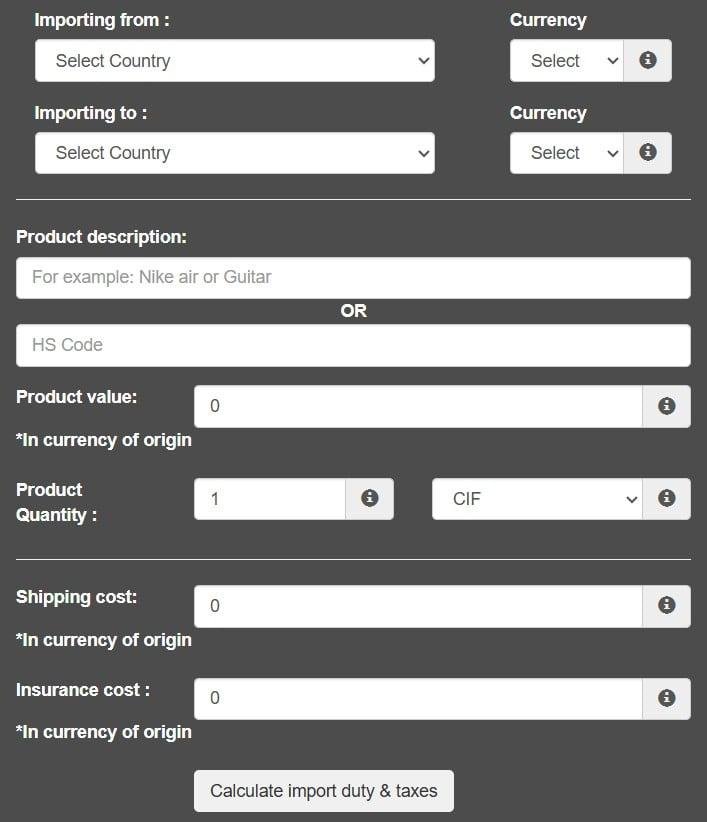
This strategy works because it addresses a significant pain point in the international sourcing process. Users appreciate practical resources that help them make financial decisions.
To execute this approach, you might create downloadable calculators, interactive web tools, or even simplified checklists that incorporate your affiliate links.
The calculators can also serve as lead magnets for your email list, allowing for additional follow-up promotions featuring your Alibaba affiliate links.
For more details, check out this article on how to build a custom calculator.
Develop supplier interview content
Creating content that features interviews with reliable Alibaba suppliers offers unique value that few affiliates provide.
By conducting and sharing these conversations, you give your audience insider perspectives while building relationships with suppliers who might offer you special promotions or higher commissions.
This Alibaba affiliate marketing strategy stands out because it provides social proof through real supplier voices. Potential buyers gain confidence seeing the actual people behind the products.
To implement this approach, reach out to suppliers in your niche and request brief interviews about their manufacturing processes, quality control, or business story.
The interview format works particularly well because it naturally positions you as a connector in the industry rather than just a promoter.
When sharing these interviews, include contextual information about the supplier’s product categories along with your affiliate links.
Final thoughts on Alibaba affiliate marketing
Alibaba affiliate marketing offers a unique opportunity to earn commissions by connecting businesses with global suppliers. You’ve now learned about the program’s structure, benefits, challenges, and practical strategies for success.
Remember that this approach works best when you genuinely understand your audience’s sourcing needs and create valuable content addressing their concerns.
While the B2B focus presents a learning curve, the higher average order values can make your efforts worthwhile. Start small by implementing one strategy at a time, measuring results, and adjusting your approach based on performance.
With persistence and the right niche focus, Alibaba’s affiliate program can become a valuable component of your online income streams.
Did I miss anything? Did you try these tips? Do you have any questions or comments? Share your thoughts below in the comments section.